









 Release Date:2026-06-29
  Click on the quantity:176
The high-speed train bound for Xi’an has departed Beijing West Railway Station. On my ride back, I finally have time to continue writing my column Chatting Lightheartedly About Sensors During Business Trips No.165.Late June is usually sweltering in Beijing, yet the weather has stayed pleasantly cool from last night through today. Even taxi drivers remarked how unusually comfortable the temperature is this time of year.
Yesterday afternoon, June 25, after wrapping up corporate administrative work, I took a Didi ride straight to Xi’an North Station and boarded the high-speed train heading for Beijing.
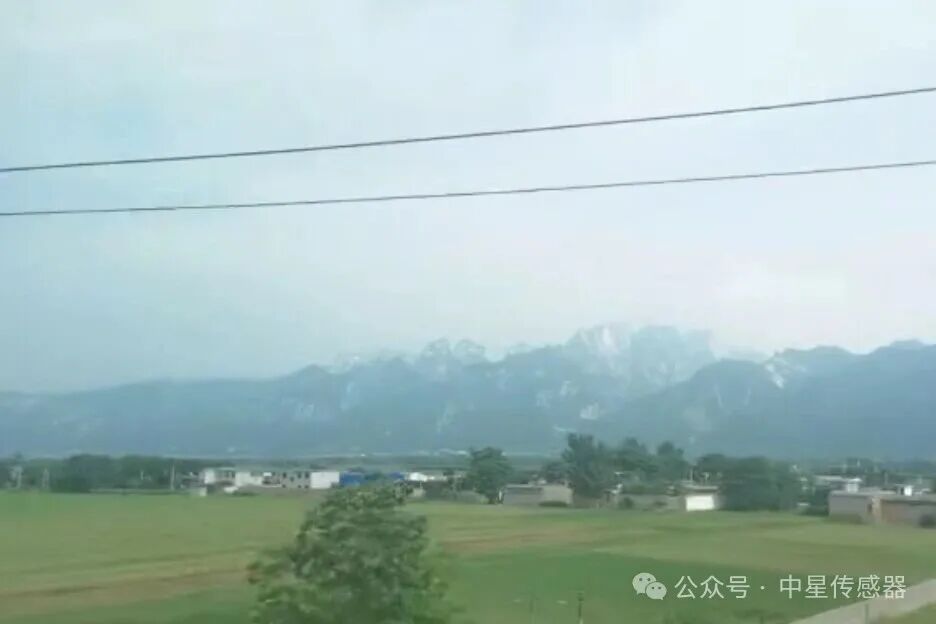
As the train speeds past Weinan City in Shaanxi Province, the towering Qinling Mountains stretch endlessly to the south. Bathed in the glow of the setting sun to the west, rocky outcrops glint brightly, forming alternating light-and-dark shadows alongside vast forested areas. Watching this scenery roll by from the moving carriage feels like a real-life 3D film, stirring a deep affection for my hometown within me.
One major advantage of traveling by high-speed rail over air travel is consistent mobile signal onboard, allowing me to tackle work tasks and study without interruption.
Since January 7 following this year’s New Year’s Day, I have been running Douyin and WeChat Channels accounts under the series title Casual Talks on Sensors. In one episode, I touched upon earthquake prediction sensors.
Frankly speaking, to this day, no company or country across the globe has developed an earthquake prediction sensor capable of reaching even a 50% prediction accuracy rate. Earthquakes mostly originate deep beneath the Earth’s crust, spread across the planet’s vast landmass, and frequently strike remote oceanic zones. There are also countless triggering factors for seismic activity. For these reasons, the development of reliable earthquake forecasting sensors remains a long-term challenge.Nevertheless, difficulty is no reason to abandon research. Many scientists worldwide are dedicated to this field, and I firmly believe some institution will eventually create viable earthquake prediction sensors. After all, numerous natural phenomena — celestial signs, ground anomalies, hydrological changes, and animal behavioral shifts — are closely correlated with seismic events.
While riding the train, I finished reading the Reference News, then opened my Douyin account to find a private message from a follower inquiring about earthquake sensors for export. Checking their profile, I found the inquirer is a Russian-speaking young woman who speaks fluent Chinese. Our conversation unfolded as follows:
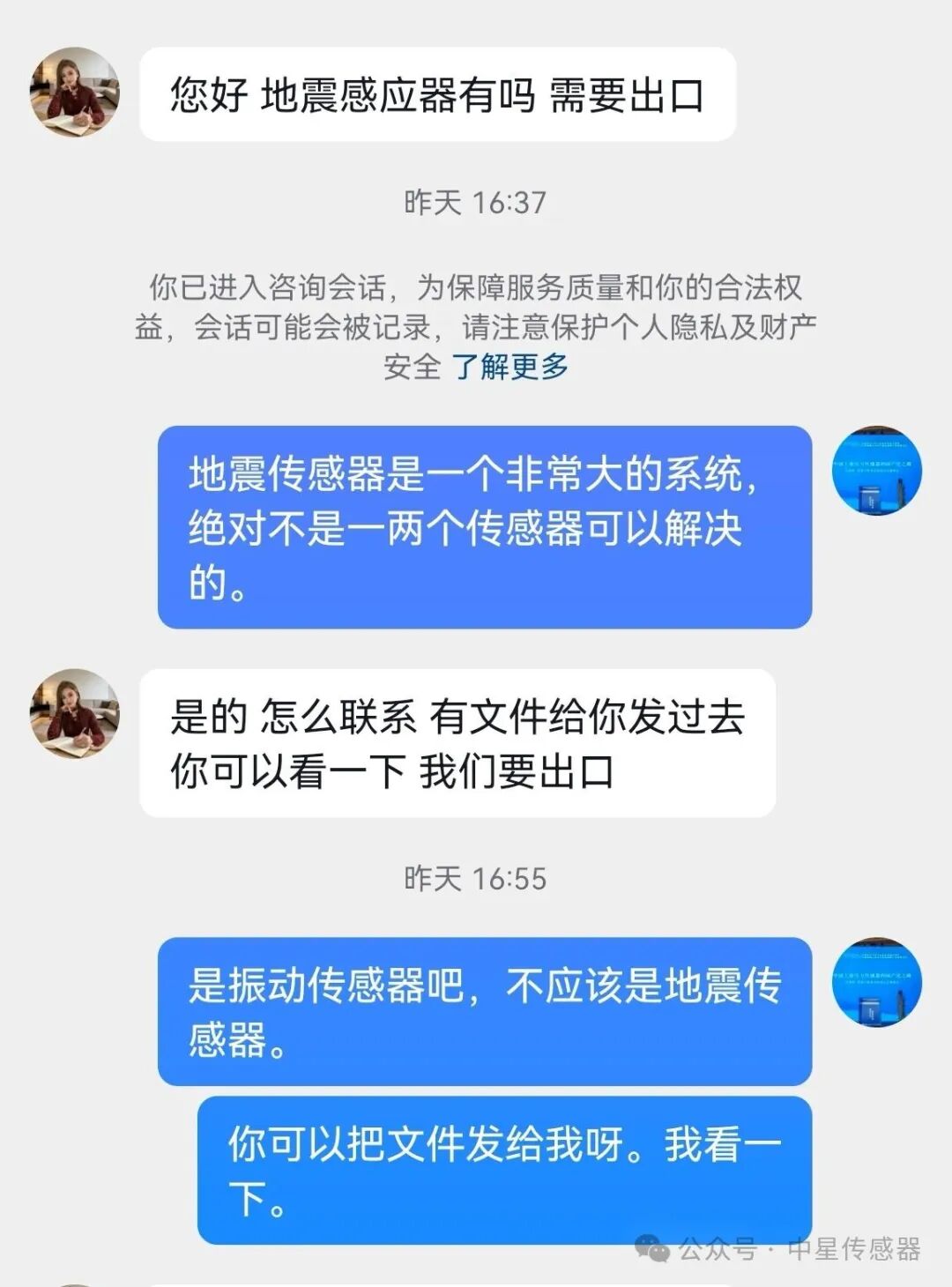
Vibration itself is a complex physical phenomenon that varies widely in frequency and amplitude, hence vibration sensors operate on diverse working principles. Acoustic sensors, accelerometers, micro-displacement sensors, and sometimes velocity sensors can all be deployed to measure vibration.
We later exchanged WeChat contacts, and the Russian-speaking lady sent over her technical specifications. Many may wonder whether this device qualifies as an earthquake sensor, but it is in fact a sensor designed for building structural vibration monitoring.
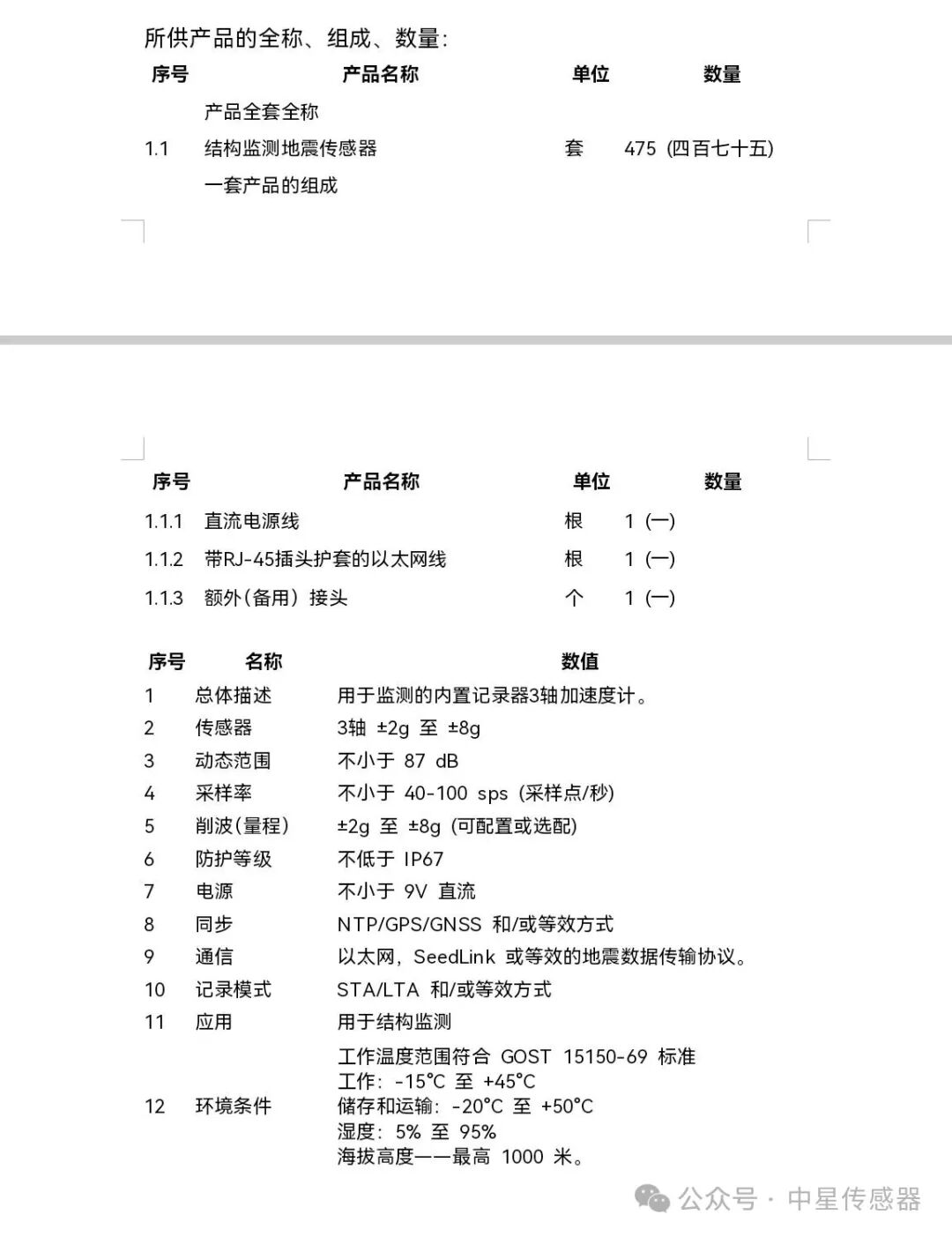
Technically, it is simply a triaxial accelerometer with measurement ranges of 2G and 8G for structural health monitoring. The 2G range is mild, while the 8G range caters to intense vibration scenarios.
I share this story today to illustrate a recurring experience since launching my short-video accounts: I carve out roughly ten minutes daily to discuss sensors, which brings frequent technical inquiries from followers. Most questions are overly generalized or oversimplified, making them tricky to answer thoroughly; ignoring the messages would seem impolite, yet elaborate replies often leave the questioner confused.
This predicament is likely shared by all niche industry science content creators.
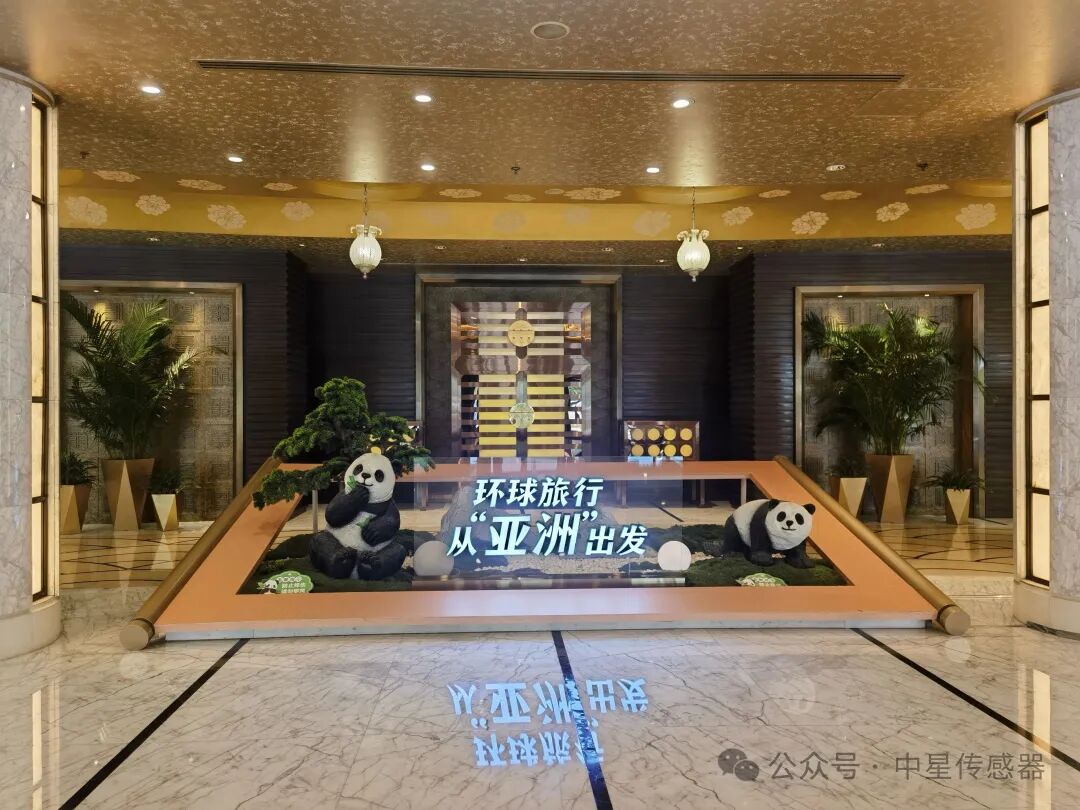
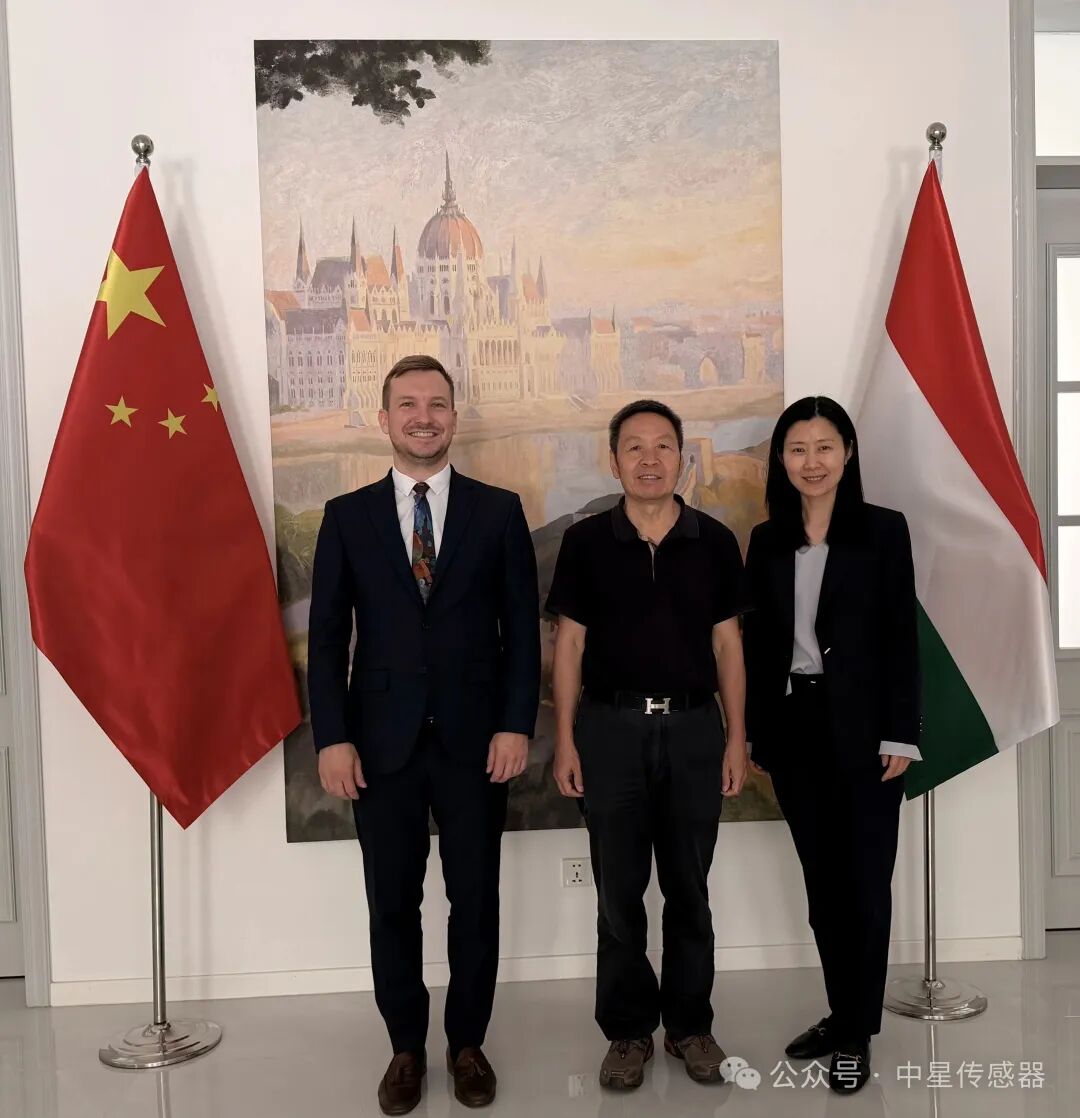
This morning, I arrived at the Hungarian Embassy near Sanlitun in Beijing as scheduled. David, Third Secretary for Commercial Affairs, and his assistant Ms. Zhu gave me a warm reception. I briefly outlined Xi’an Chinastar M&C’s development history and core product lines, then elaborated on our planned investment project in Hungary and specific site selection requirements. The embassy representatives expressed hopes that our sensor project could launch operations and achieve full production capacity in Hungary at the earliest possible date.
David learned about our core concerns and key support we hope to receive from the Hungarian government, and introduced the Hungarian Investment Promotion Agency (HIPA) alongside relevant investment brochures.
The documents indicate Hungary has ramped up foreign investment promotion significantly in recent years with a continuously improving business environment, ranking among Europe’s top destinations for foreign direct investment for consecutive years.
After finishing our investment discussion, I also gave them a brief overview of various sensor applications and the promising prospects of sensing technology within the Internet of Things, Intelligent Network of Everything, artificial intelligence, and humanoid robotics.
This brief Beijing business trip draws to a close. The high-speed train now traverses the Central Plains, approaching Anyang East Railway Station.
#15:52, June 26, 2026 | Anyang East Railway Station#


