









Autumn in Beijing is highly changeable with fluctuating temperatures. Yesterday saw light rain. Even wearing a T‑shirt under a jacket, I still felt a bit cold. Today, August 29, the sun is shining brightly. Walking outdoors in nothing but a T‑shirt, I break out in slight perspiration.
The 2026 Beijing High‑end Instrument and Sensor Conference is held today at Huairou Science City, with the theme “Sensing the Essence of All Things, Exploring the Opportunities of the Future”.
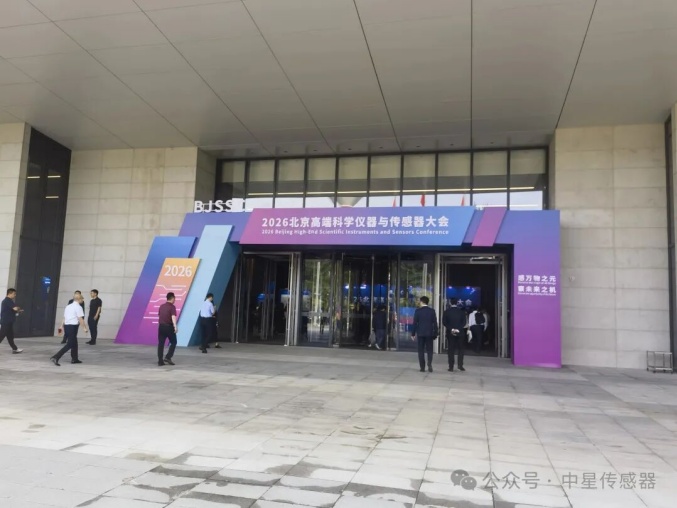
In the morning, officials from the Department of Electronic Information Industry of MIIT, Beijing Municipal Science and Technology Commission, Huairou District Government, China Institute of Electronics and the Chinese Academy of Sciences delivered opening remarks respectively. The purposes for hosting this conference at Huairou Science City are self‑explanatory. Apart from identifying the gaps between China’s scientific instruments, particularly high‑end instruments, and international counterparts, another objective is investment promotion. The Beijing Municipal Government expects Huairou Science City to enable China’s high‑end instrument industry to catch up with, match and surpass world‑leading standards, which constitutes the core theme of this forum. As Mr. Gu has mentioned over recent years, sensors have been listed as a key development priority by almost all provincial‑level administrative regions across China.
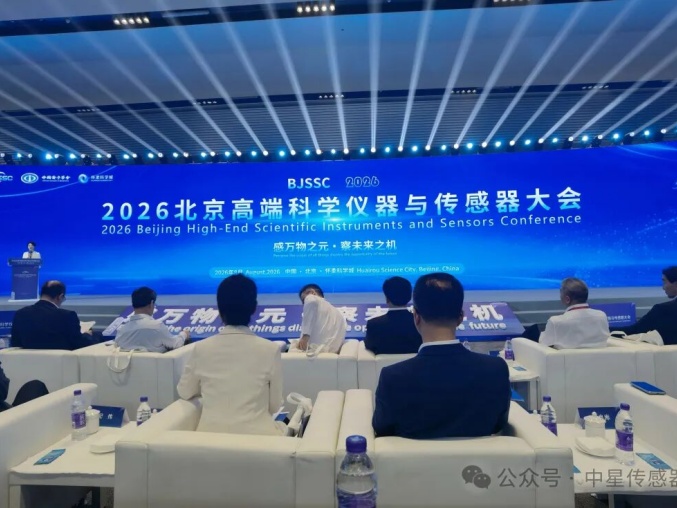
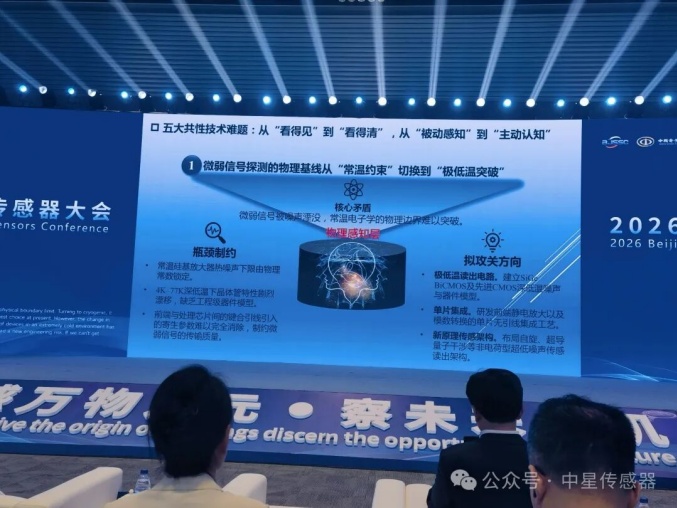
Government officials at different levels are responsible for setting strategic directions. While some may not have full insight into the actual status of China’s instrument and sensor industry, they are expected to put forward developmental priorities in their invited speeches, which is one of the features of domestic conferences. Nevertheless, two out of the five key development directions proposed by the representative from the China Institute of Electronics deserve close attention.
Academician Liu Sheng of the Chinese Academy of Sciences gave a keynote speech entitled “Sensors and Embodied Intelligence”. Proceeding from macro overview to specific details and from external scenarios to internal mechanisms, he elaborated on the significance of sensors for current and future technologies and industries. He presented the latest developments in intelligent systems in recent years, especially sensors applied in humanoid robots, which was well‑received by the audience.
Mr. Gu ran into Academician Liu Sheng at breakfast. They dined at the same table and discussed domestic and global sensor‑industry trends. They talked about the lack of original technologies and how cut‑throat internal competition (“involution”) hinders innovative development of China’s sensor sector.
The afternoon session of the sensor conference featured focused and practical content. It was presided over by Secretary‑General Zhang Yang of the Sensor Branch of China Instrument and Control Society. Given the large number of presentations and limited time allocated to each speaker, the session proceeded in a rather hurried manner.
Lv Yang, senior expert at CRRC Group, illustrated the importance of diverse sensors for rail transit, and closely integrated sensors with overall solutions. He pointed out that sensors must be oriented toward practical application scenarios and should be developed to serve complete application solutions.
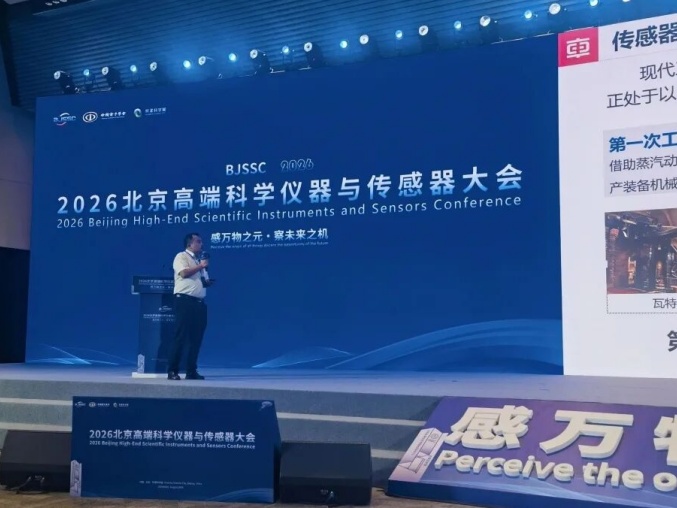
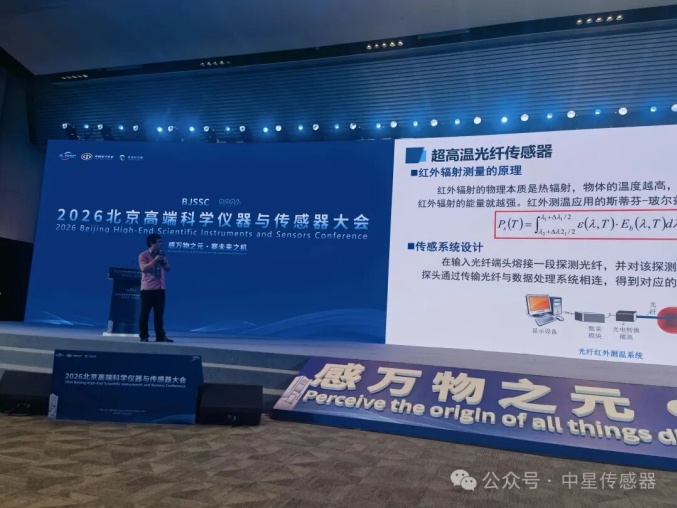
Professor Lin Qijing from Xi’an Jiaotong University focused on applications of ultra‑high‑temperature optical fiber temperature sensors, such as deployment in aircraft engines. He introduced the characteristics of optical fiber sensors and multiple distributed application forms of fiber‑optic temperature sensing. The temperature and strain sensors developed by his research group are typical high‑end sensors designed for harsh‑environment conditions.
Chief Engineer Chen Qingsong from the 704th Institute of CASC referred to the booming reusable‑rocket industry. He stated that aerospace sensors are gradually breaking away from the traditional high‑cost label of “space‑grade” products. Reliability remains indispensable, yet cost has turned into an essential factor to consider. As reusable‑rocket launches become more frequent, sensor consumption will keep rising, making cost a vital consideration for reusable spacecraft.
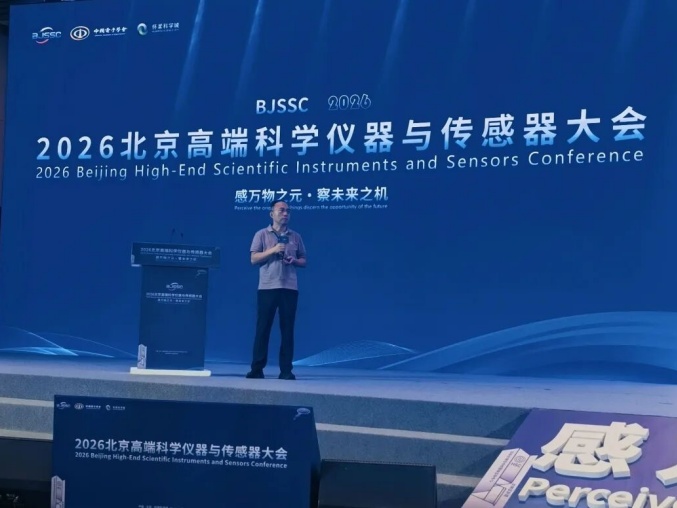
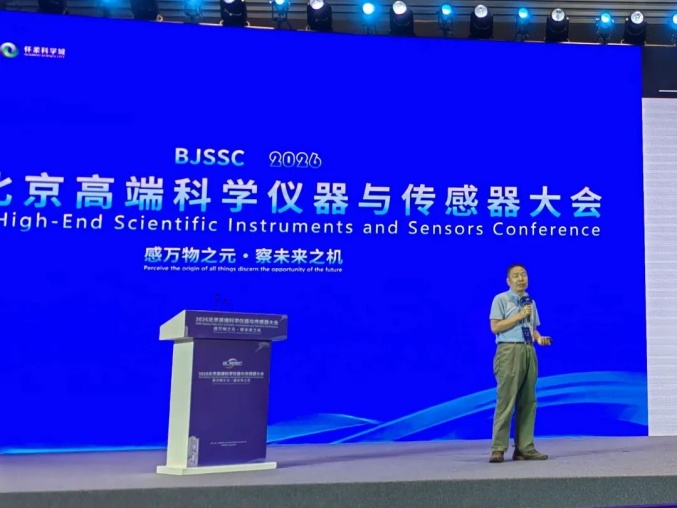
Mr. Gu was also invited to deliver a speech titled “MCS Technology: China‑originated Pressure Sensor and Its Applications”. He stressed that mainstream technologies dominating China’s sensor market were all invented by Western developed countries. He expressed his hope that MCS will become a genuine Chinese‑original pressure‑sensor technology and product that gains wide‑ranging global adoption. He also encouraged more customers to adopt the GU‑series pressure transmitters (MCS INSIDE) built by Xi’an Chinastar M&C Ltd based on MCS sensors.
As a visitor from out of town, I feel Huairou Science City is quite far from central Beijing. Combined with frequent traffic jams downtown, it takes over two hours to drive from the Science City to Beijing West Railway Station.
#22:18, August 29, Beijing Yanjing Hotel#


