










Yesterday, April 8, when I left Xi’an, I thought the weather had already warmed up, so bringing a wool sweater felt like a burden. But after the train arrived in Beijing, I found the temperature was noticeably lower than in Xi’an. With the fine spring drizzle, I really felt a bit cold without the sweater.
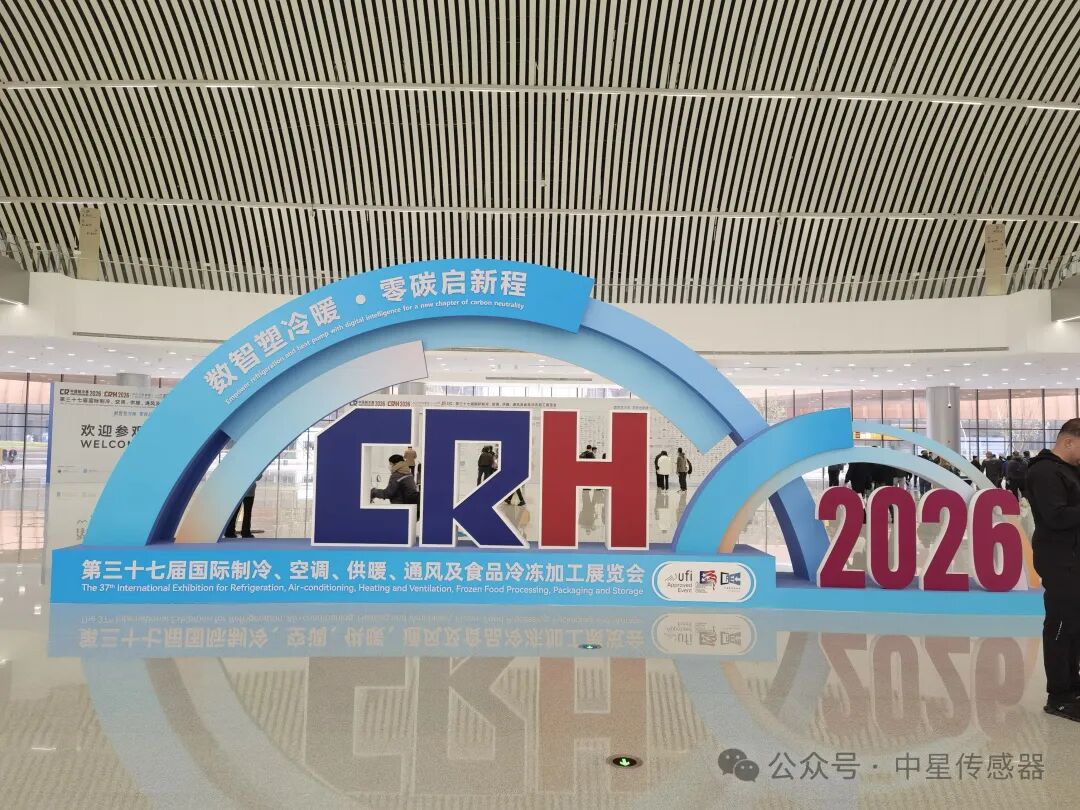
Today I attended the CRH China Refrigeration Expo at the Capital International Exhibition Center. Although the Chinese economy is in a downturn, there were still plenty of exhibitors and visitors. Is it true, as some say: the worse the economy gets, the more we need to go out, promote, exhibit, and expand?
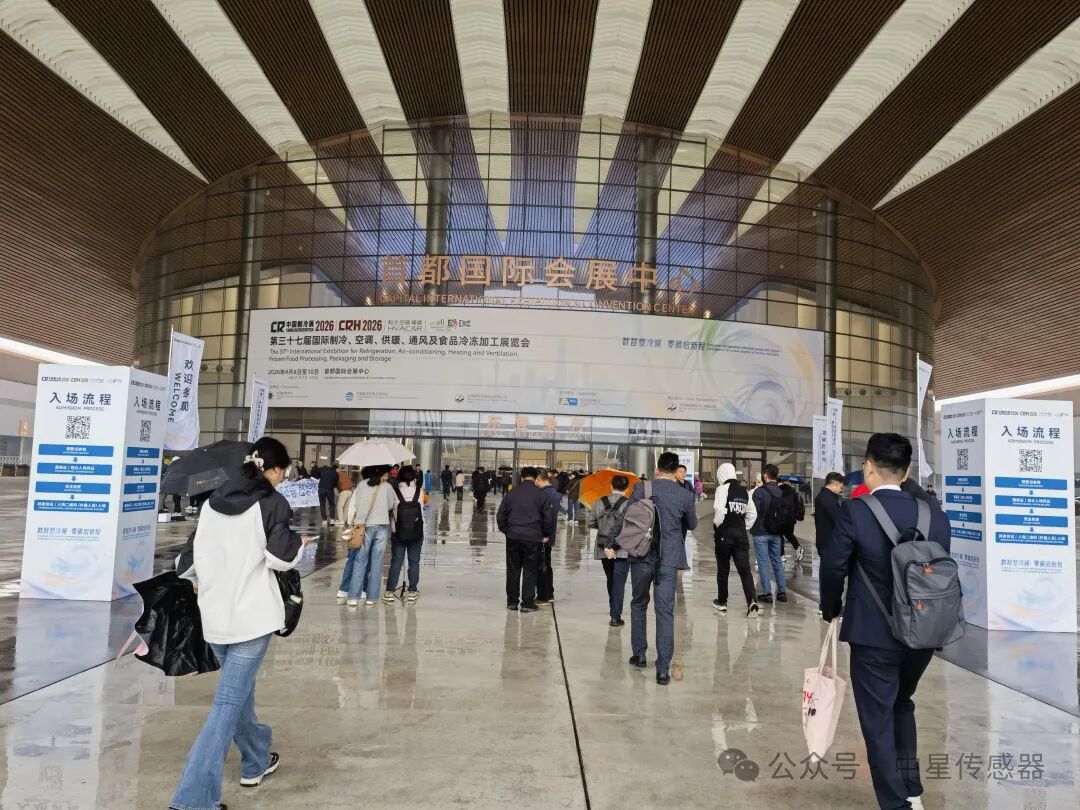
The air conditioning and refrigeration industry uses many types of sensors: pressure sensors, temperature sensors, humidity sensors, gas sensors, flow sensors, differential pressure sensors, and more. With the development of AI technology, most new data centers require liquid cooling systems, which has further increased demand for sensors. On top of that, the industrial chain for refrigeration and HVAC sensors is quite long, extending into heat pumps and smart buildings, resulting in diverse and widespread sensor demand.
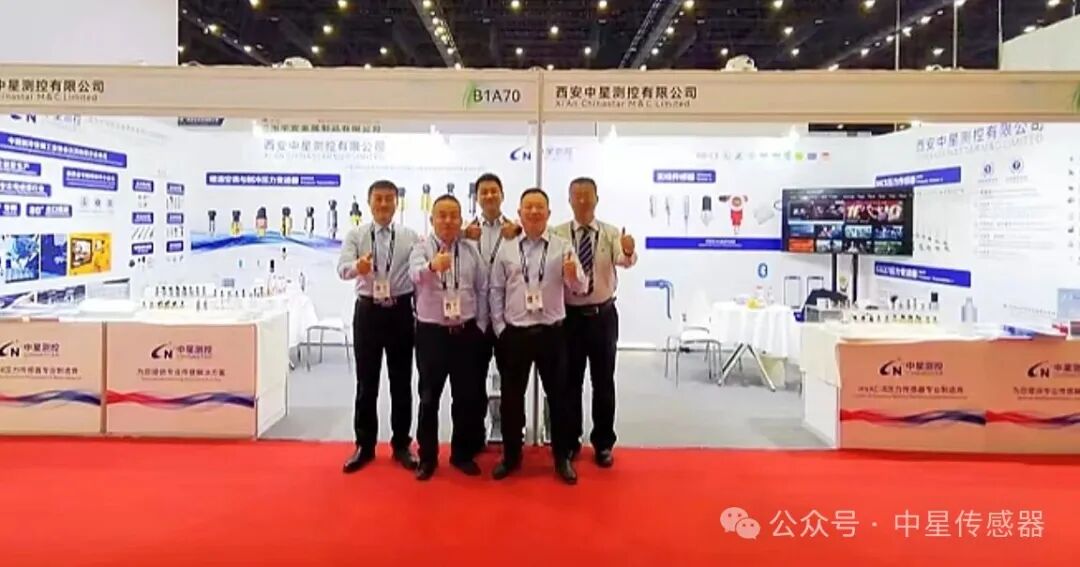
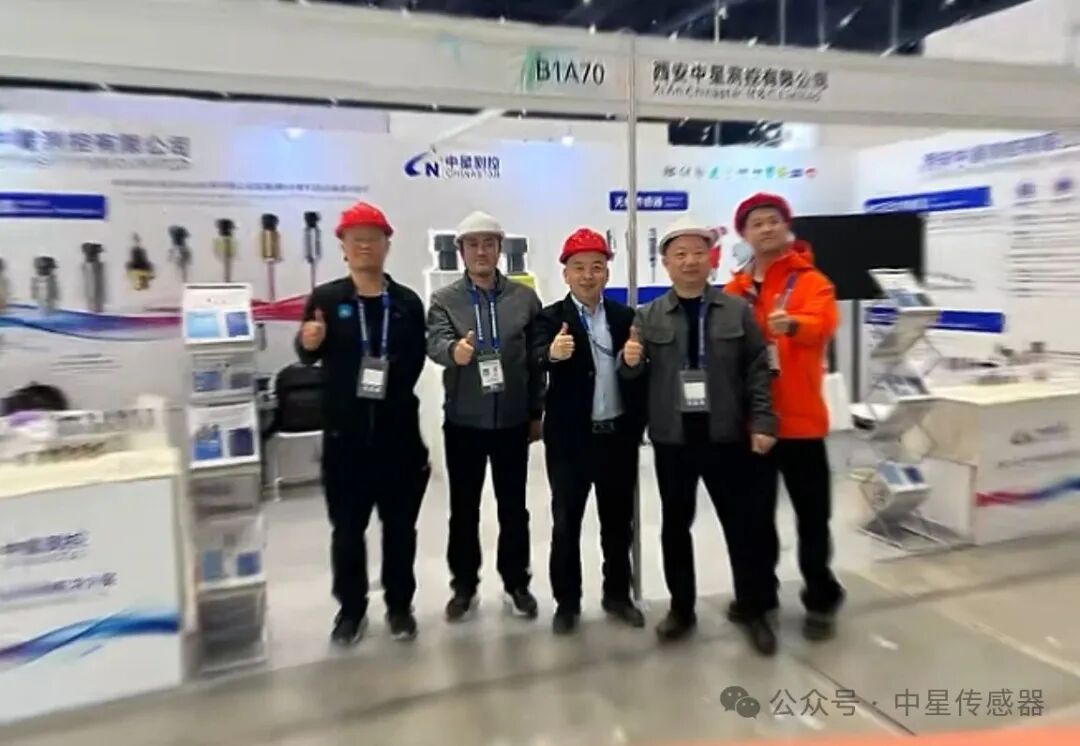
Since 2009, Xi’an Chinastar M&C has been committed to promoting pressure and temperature sensors for the HVAC&R industry. Every year since 2009 (except for the three pandemic years), we have traveled far to attend the AHR Expo (American HVAC&R Show) in the United States. In recent years, we have also started participating in related expos in Germany and Italy. We have built a large customer base and earned considerable recognition in the global refrigeration industry. With “China” in our brand name Chinastar, we have proudly promoted China’s reputation in this small but important field.
Several other sensor companies also exhibited at this year’s show, including Wuhan Cubic, Zhengzhou Winsen, and Japan Figaro, all showcasing their refrigerant leak sensors. These are new sensors that have become popular in Europe in recent years, meeting environmental and safety requirements. Among them, Wuhan Cubic offered more varieties and seemed to cover wider applications. Naturally, some controller and valve manufacturers also displayed a selection of sensors.
One thing that surprised me at this exhibition: very few foreign sensor companies participated — far fewer than at the U.S. AHR Expo.
Xi’an Chinastar M&C brought its specialized products for heat pumps: PT1800 Pressure Sensor: Uses a ceramic-capacitive pressure sensor core, double-layer isolation with high anti-EMI design, supporting 0.5–4.5V and 4–20mA output. PT300G Pressure Sensor for multi-VRF systems: Uses an all-welded MEMS oil-filled core, compatible with all refrigerants, requires no gaskets, and offers higher reliability and safety.These two models are specially designed with high cost-performance on a global scale, and are very competitive in both performance and price.
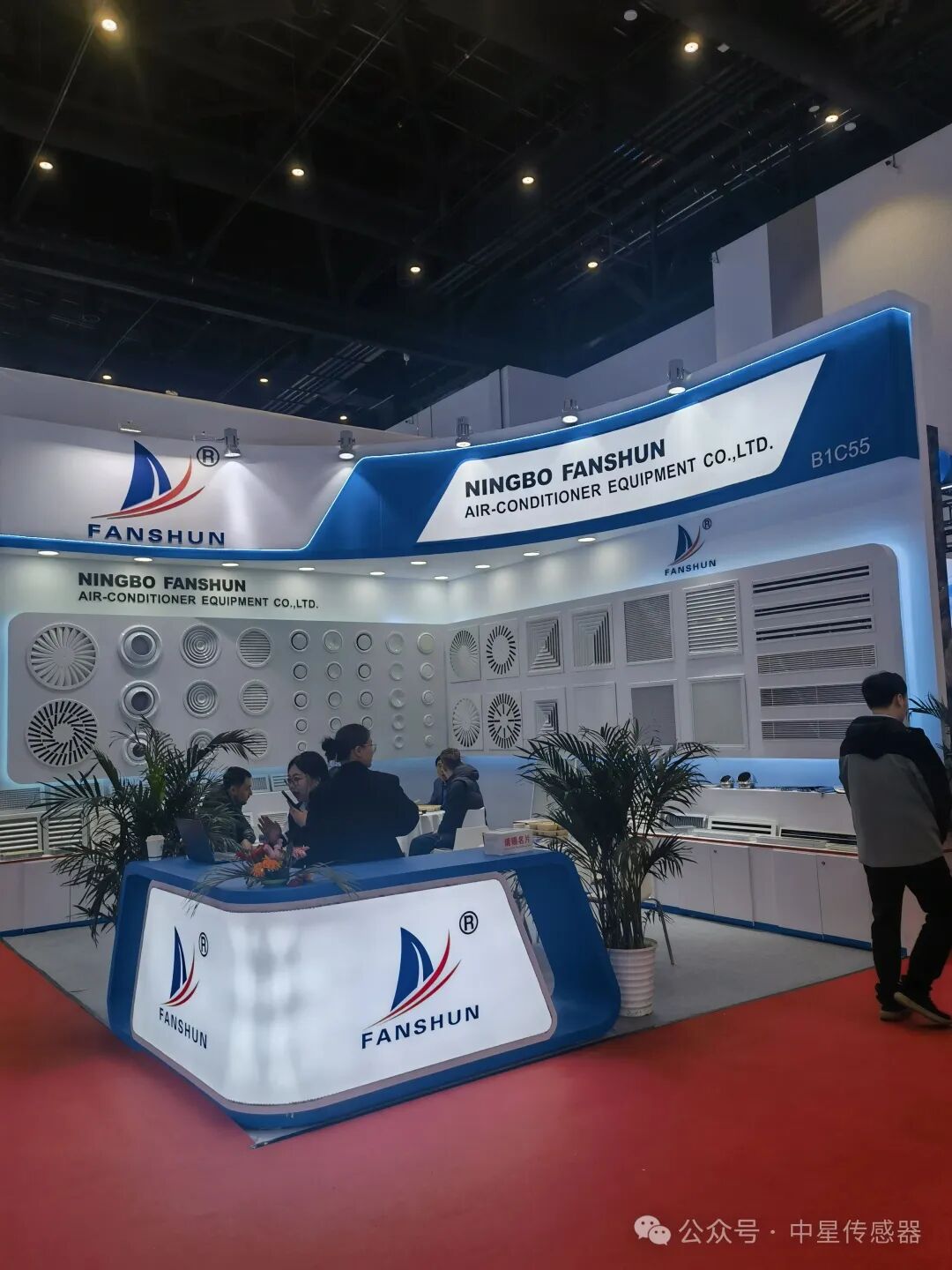
I noticed something strange during the show: many Chinese companies used no Chinese characters at all on their booths — only English logos and descriptions. Were they exhibiting exclusively for foreigners? Insiders may know their Chinese names, but outsiders would have no idea which Chinese characters their brand uses.
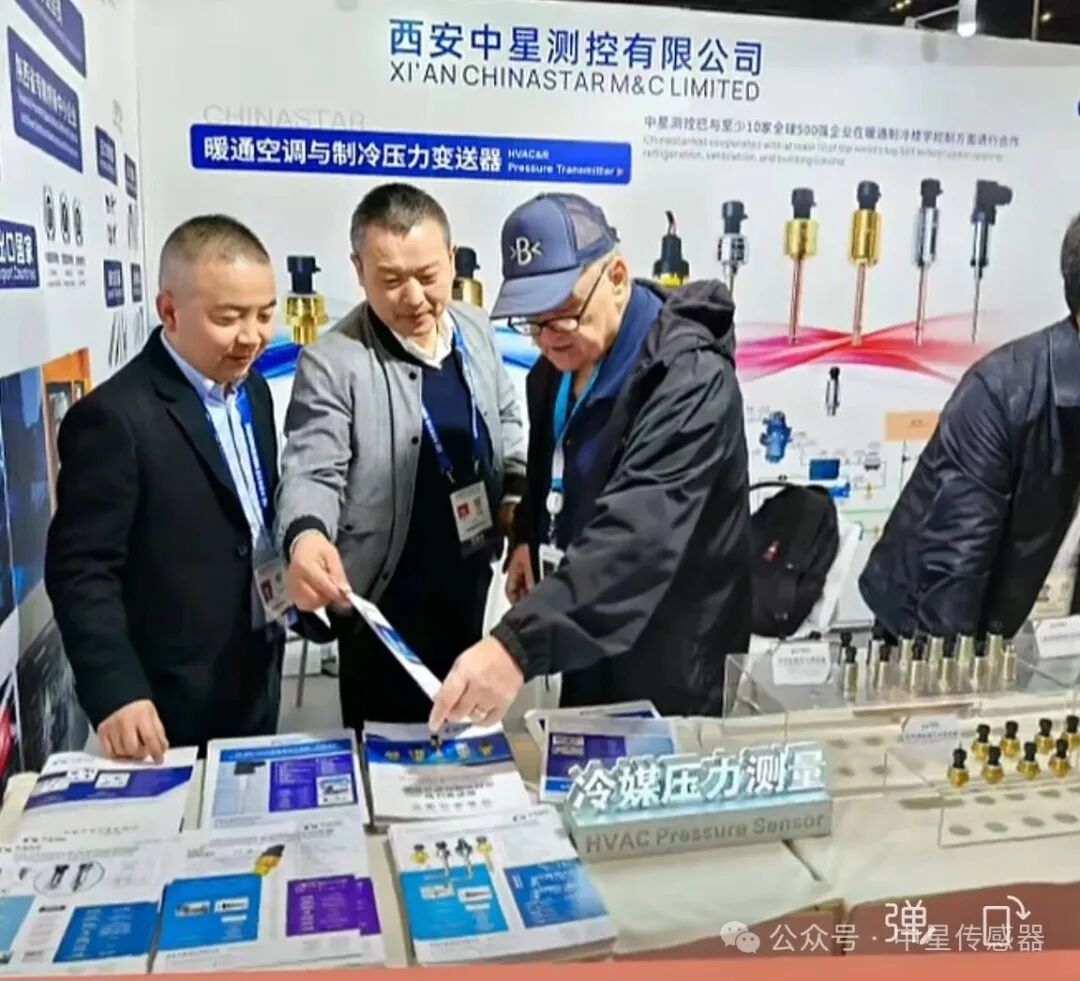
Along with that observation: this year’s Beijing Refrigeration Expo did see more foreign guests than before. Besides Europeans and Americans, there were many visitors from former Soviet Union countries. You could see many Chinese speakers who knew Russian guiding small groups of Russian guests, asking questions, taking notes, and collecting business cards.
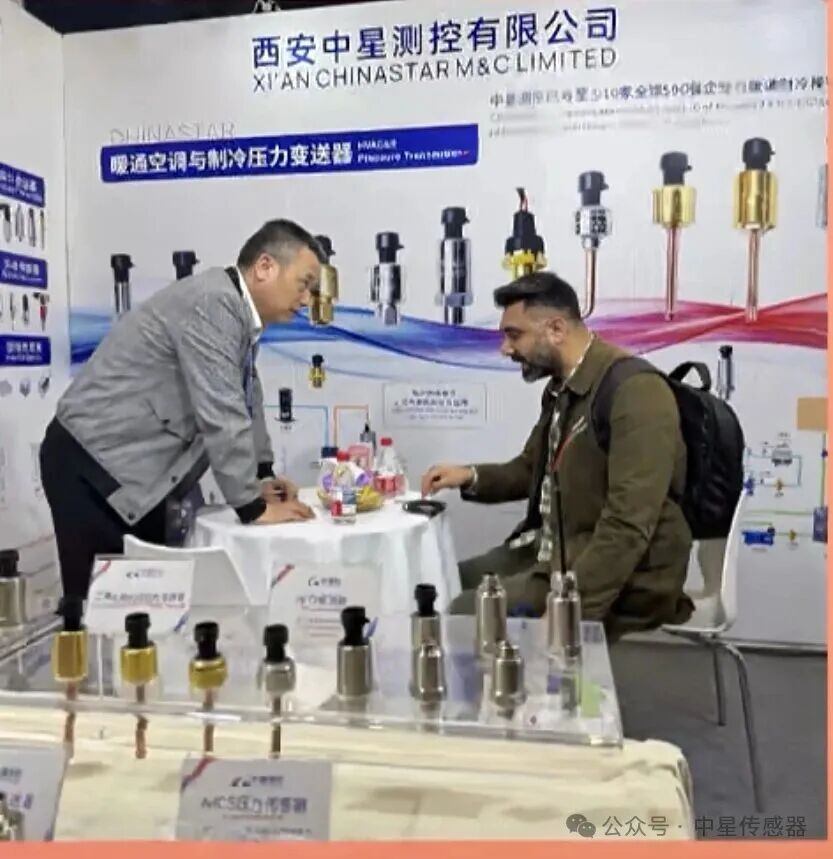
I also found that many foreign visitors to the Chinastar M&C booth were already using WeChat. I joked to them: “In China, you can’t live or work without WeChat.”
I do have a question: Can we draw a small conclusion from this exhibition? Along with global economic development, is it true that “China’s economy is the world economy, and China’s market is the world market”? Is it too early to say this? Is it absurd?
#2026.04.09.22:25 Royard Hotel, Beijing#


