









 Release Date:2026-01-15
  Click on the quantity:217
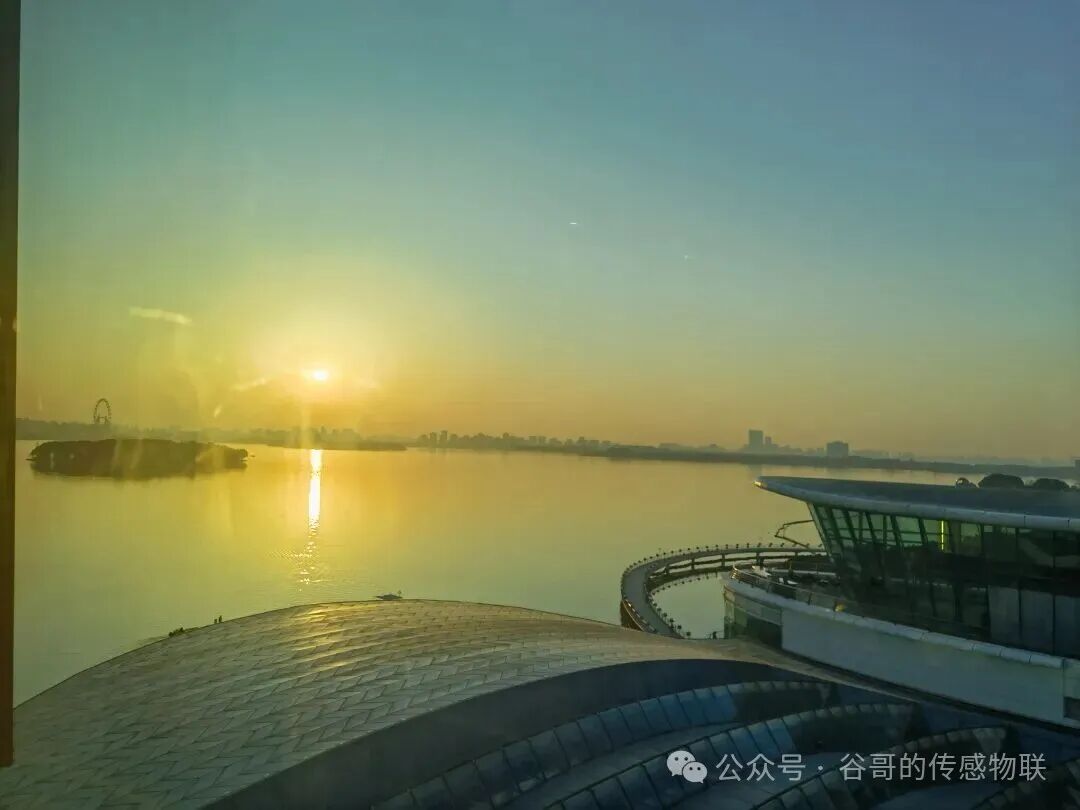
My first business trip in the Year of the Horse 2026 took me to the picturesque water towns in the south of the Yangtze River, including Wuxi and Suzhou, with a side trip to Huzhou in Zhejiang Province. The weather was exceptionally pleasant over these three days. In the southern Yangtze River region during winter, there was no cold wave, eliminating the need for the thick cotton-padded coats worn in the north. People strolled outdoors comfortably in lightweight cotton jackets.By the shores of Jinji Lake in Suzhou, despite it being the coldest period of winter early in the morning, many young people were jogging along the lake. Dressed in thin sportswear and lightweight running shoes, they moved at a relaxed pace, exuding an atmosphere of ease, contentment, freedom and unbridled comfort.
Sitting by the floor-to-ceiling window in my hotel room, even with the air conditioner turned off, I broke into a sweat under the warm winter sunshine. I couldn't help but slide the window open halfway.
On the evening of January 8th, I took a China Eastern Airlines flight departing Xi'an for Wuxi at around 9 p.m. and checked into Wuxi Taihu Hotel. By the time I yawned and collected my room card, it was already 1 a.m. I had arranged to head to Wuxi North Micro Sensor Technology Co., Ltd. at 8 a.m. the next day to exchange ideas and learn from General Manager Wang.
Since its establishment, Wuxi North Micro Sensor Technology Co., Ltd. has been committed to the Internet of Things (IoT) and sensor markets. Its product portfolio includes gyroscopes (angular velocity sensors), acceleration sensors, and tilt sensors, available in single-axis and multi-axis configurations with both wired and wireless output options. The company continuously expands its product range to meet customer needs and enhances the precision and stability of its offerings. By integrating 4G Cat.1 wireless technology, it has rapidly extended its IoT solutions across various industrial sectors. Meanwhile, aligned with the construction of urban lifeline projects, the company has achieved remarkable results in the real-time condition monitoring of bridges and large urban buildings, ensuring their safe operation.
The company's development momentum has been thriving year by year. After multiple rounds of financing, it boasts abundant capital and an expanded workforce, maintaining steady domestic growth while continuously exploring overseas markets.
After lunch, I returned to the hotel. With some free time on my hands, I filmed an episode of my short video series Brother Gu's Casual Chat about Sensors. Starting from January 6th, Brother Gu has been trying to use short videos during his spare moments to casually discuss sensors—talking about them wherever he goes. It serves as a form of sensor popularization and a clarion call for the accelerated development of the sensor industry in China.
At around 3 p.m., I traveled to Suzhou Hwin Nano Technology Co., Ltd. to visit General Manager Sun and General Manager Wu, both distinguished graduates of Tsinghua University. They have jointly built this technology enterprise, which holds advanced technologies and wields significant influence in the gas sensor sector. The company has developed a diverse range of gas sensors, detecting gases such as carbon monoxide, carbon dioxide, methane, hydrogen, and formaldehyde, and has also researched and developed MEMS temperature and humidity sensors. In the past three years, it has further developed MEMS flexible pressure sensors, commonly known as skin sensors.
In the energy storage field, the company not only manufactures various gas sensor components and modules but also provides detection module devices that can be directly applied in energy storage systems, achieving impressive results in market expansion.
The company's newly developed methane gas sensor based on the thermal conductivity principle has undergone multiple rounds of testing and verification and will be launched onto the market soon. General Manager Wu is confident that this cost-effective methane sensor will stand out in the fiercely competitive laser methane gas sensor market.
Flexible pressure sensors based on piezoresistive and piezoelectric principles have been widely used in multiple markets including touchscreens, healthcare, and smart elderly care, demonstrating strong demand and rapid growth potential.
Following several rounds of financing, Suzhou Hwin Nano Technology Co., Ltd. currently houses its R&D center in Suzhou Nano City and has invested over 30 million yuan to establish its own manufacturing plant in Huzhou, Zhejiang Province. This has significantly reduced production costs, enabling the company to strive for a prominent position in China's gas sensor market. Brother Gu wishes the vibrant Suzhou Hwin Nano Technology Co., Ltd. remarkable success in the market.
During dinner in the evening with General Manager Sun, who also serves as a professor at Soochow University, our conversation turned to odor sensors. Brother Gu remarked that there are numerous companies worldwide engaged in the development of odor sensors, commonly referred to as "electronic noses". Suzhou Hwin Nano Technology Co., Ltd. also has its own "electronic nose" gas sensor, but it currently suffers from high costs, low accuracy, poor integration, and a relatively large size. If gas sensor technology advances to the point where it can integrate the detection of various daily odors (including fragrances, foul smells, and pungent odors) into a true "electronic nose", its development prospects will be incredibly promising.
An electronic nose converts various odors into electrical signals. Conversely, if these signals collected by the electronic nose are transmitted wirelessly to another device, which then converts the electrical signals back into the original collected odors and releases them— and if the size and cost are reduced enough to be integrated into our mobile phones— a brand-new and amazing technology will emerge globally.
Loved ones or couples on either end of a mobile phone call would not only be able to see each other's faces and hear each other's voices but also smell each other's scents. What a wonderful thing that would be, and it would undoubtedly become a sensational global tech news story.
As Brother Gu sits on a high-speed train passing through Henan Province, watching the Central Plains rush by outside the window, he cannot help but think about the numerous sensor companies in Shaanxi Province. However, how many of these Shaanxi-based sensor companies have secured financing and gained the favor of investment funds during their early, middle, or late stages of development? Compared with sensor companies in Jiangsu Province, the difference is like that between the sky and the depths of the ocean.
One can see the whole picture from a single detail. This comparison alone reveals the economic gap between Shaanxi and Jiangsu Provinces, and the disparities between Xi'an and the cities in the Yangtze River Delta.
I believe that sensor companies in Shaanxi, as well as enterprises in other sectors across the province, should wake up, enhance their awareness, truly identify the ideas, approaches, and directions for rapid development, and take prompt action.
#January 11, 2026, 17:38, G3152 Suzhou-Xi'an #


