









The weather in Nuremberg, Germany, is rather unpredictable. On one hand, it is lovely: the sky is a vivid deep blue dotted with pure white clouds, and the temperature under the sun hovers at a comfortable 25 to 26 degrees Celsius for the human body. On the other hand, it can turn unpleasant in an instant. While walking along the street, raindrops — roughly the size of a conventional pressure sensor element (19 millimeters in diameter) — may suddenly come pounding down. You can get soaked in just two minutes, and the temperature will drop sharply by several degrees. Such is the weather of Nuremberg, Germany.
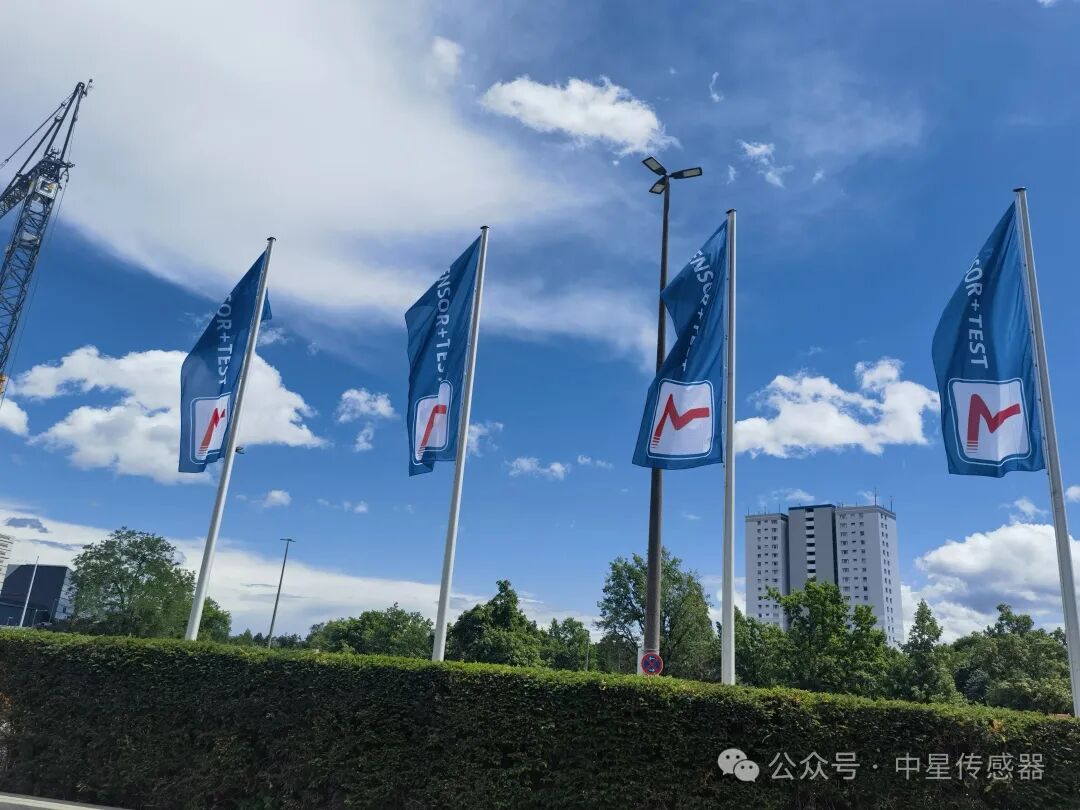
I cannot recall exactly how many times I have attended the Sensor+Test trade fair in Nuremberg. What I do remember is that back in 2005, Xi’an Chinastar M&C became the first Chinese sensor enterprise to take part in this exhibition, and we were the only Chinese exhibitor that year. Since then, the Chinese national flag has been raised at the entrance of the Nuremberg Exhibition Center every year.
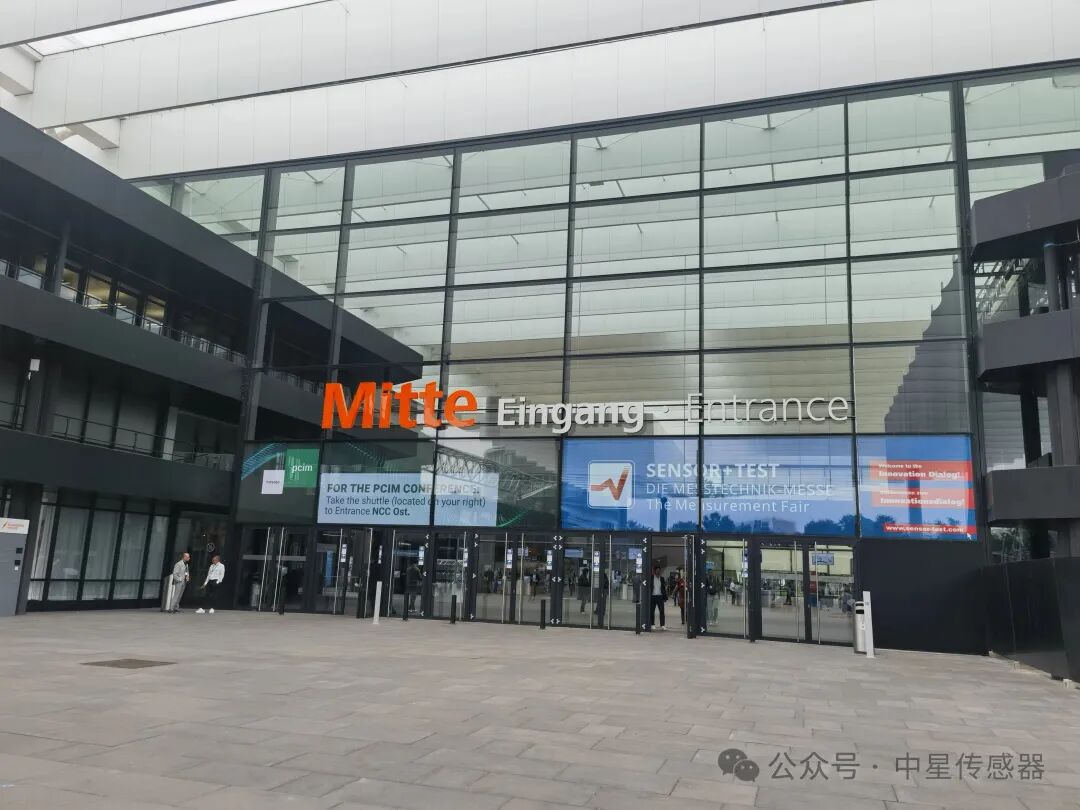
Driven by China’s economic growth and technological advancement, domestic sensor manufacturers have developed rapidly. It is reported that nearly 50 Chinese companies are participating this year, accounting for around 12% of all exhibitors. I skipped the fair last year. Two years ago, there were 400 exhibitors in total, among which 38 were Chinese enterprises, also a considerable proportion.
In contrast to the years before the pandemic (from 2010 to 2015), the event once attracted over 800 exhibitors and occupied nearly three exhibition halls. Today, only one hall is in use, and it is not even fully occupied. This subtle change reflects that Europe’s economy has indeed declined in the post-pandemic era.
This year, the European Study Tour for Chinese Instrumentation Entrepreneurs and the Sensor China International Exchange Delegation have come to the fair. Besides visiting local European companies, universities and research institutes, they also took part in the exhibition for industry exchanges.
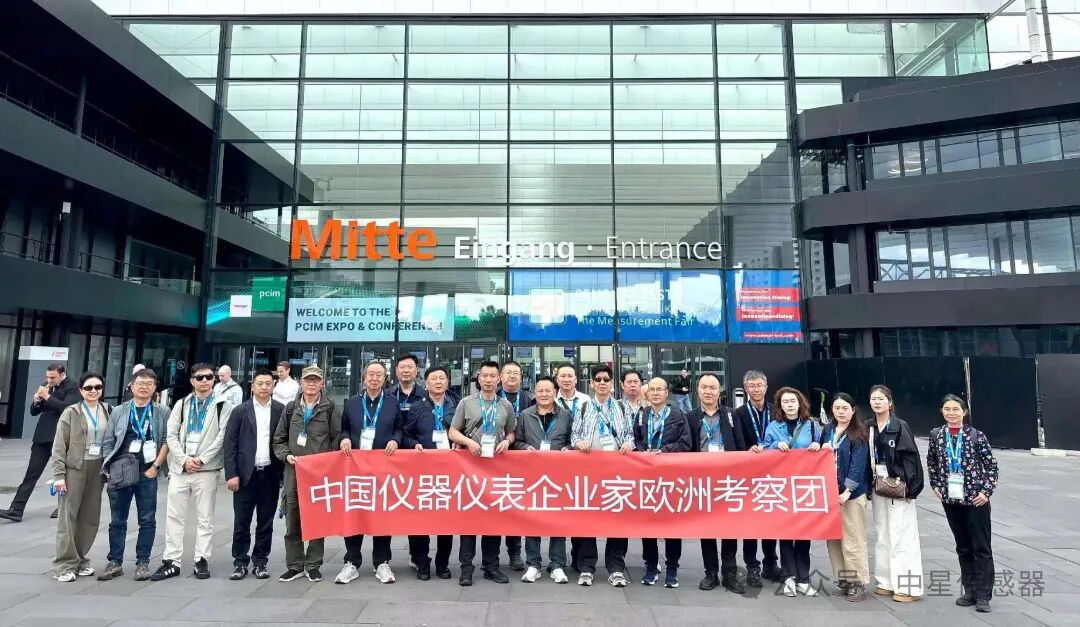
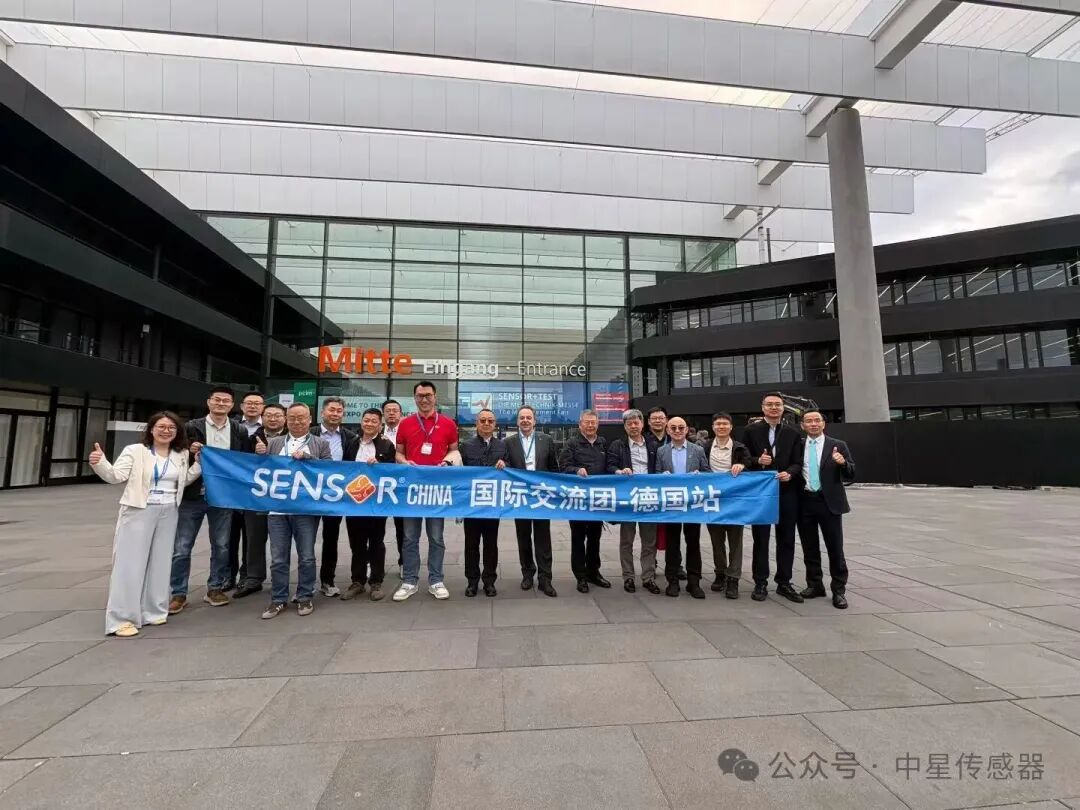
With the support of the Shaanxi Provincial Department of Commerce, the local government organized a delegation of 10 sensor enterprises to attend the show. The Shaanxi Pavilion, themed Advanced Sensing, Shining Globally, secured a prime location in the exhibition hall. Peers from across China expressed admiration and praised the efforts of the Shaanxi government and its commerce authority. Meanwhile, leaders from Guangming District of Shenzhen, together with the Shenzhen Sensor Association, also led a team of local enterprises to visit the exhibition.
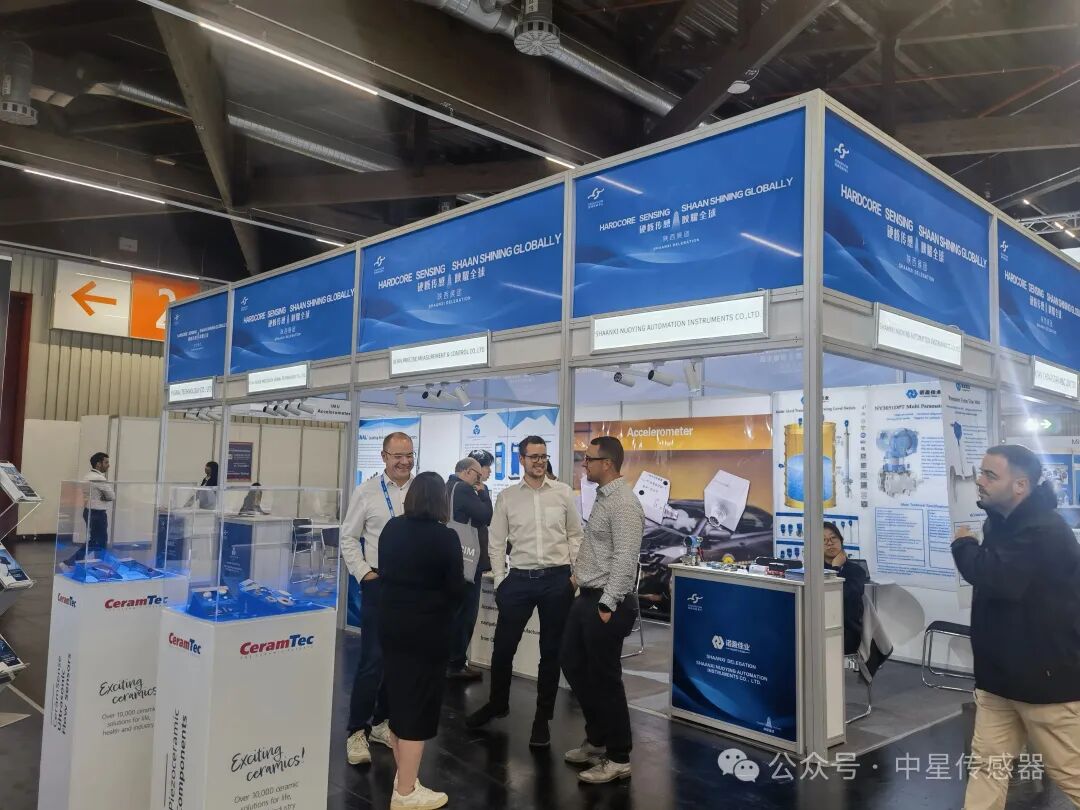
Chinese presence can be felt everywhere in the exhibition center, with products from Chinese companies displayed across booths even when staff are foreign nationals. This fully demonstrates the strong enthusiasm and concrete actions of the Chinese government, sensor enterprises and practitioners to go global.
To be frank, after more than 30 years of development, many Chinese sensor companies are on a par with foreign counterparts in product quality, technology and management, and even excel in cost control. Nevertheless, industry insiders can clearly see gaps in core cutting-edge technologies. For example, our ceramic capacitive pressure sensors cannot yet match the high precision of Germany’s E+H; the sputtered thin-film sensing elements fall short of Germany’s STW in stability and measuring range; our temperature and humidity chips lag behind Switzerland’s Sensirion in production scale and reliability; and our finished temperature and humidity sensors cannot reach the technical level of Finland’s Vaisala.
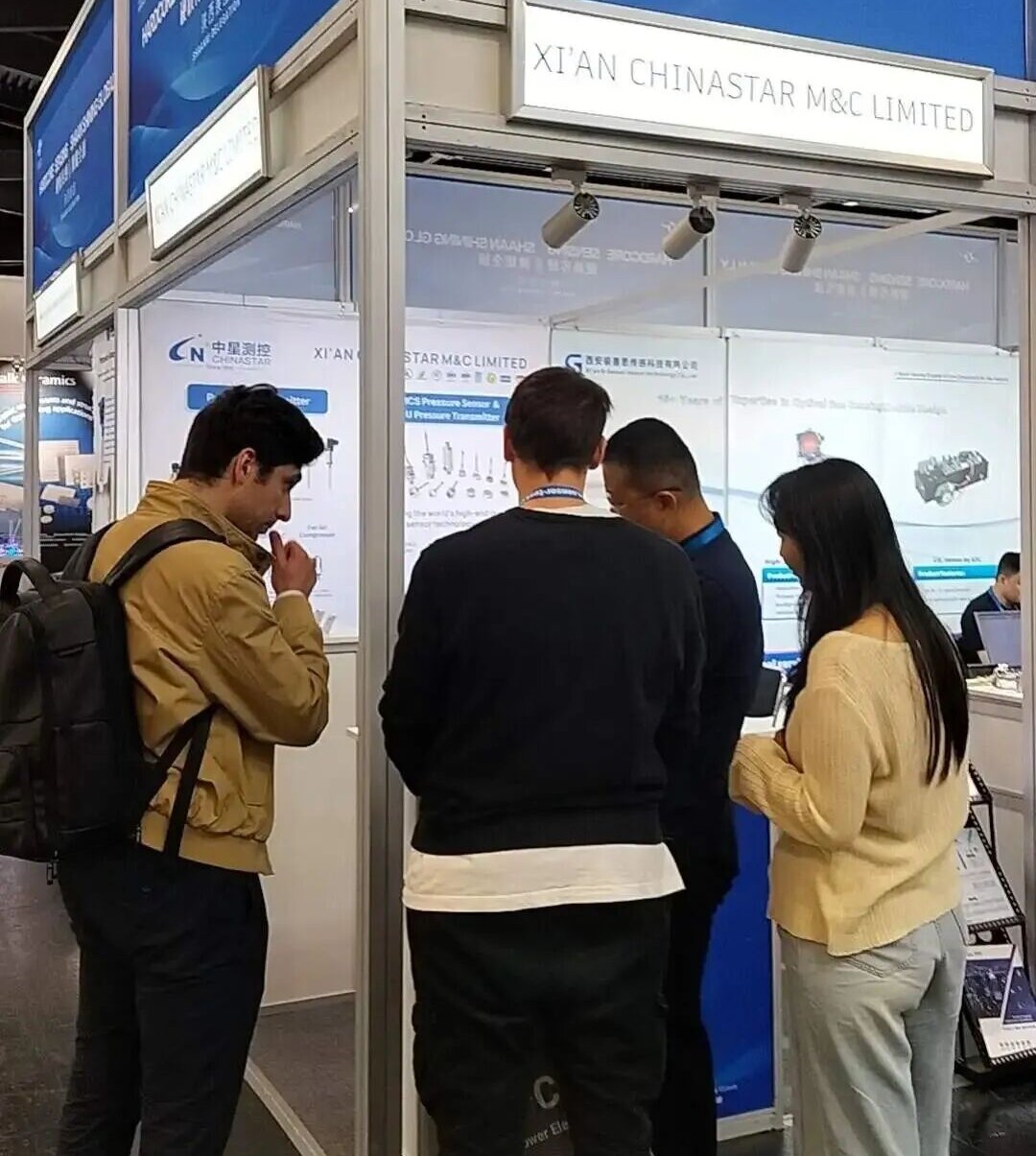
Most Chinese enterprises are still in the early stage of brand building. Many exhibitors are attending an overseas trade fair for the first time, while others come only every few years. They have not fully understood how overseas clients perceive brands. For most Chinese sensor manufacturers, going global with both products and brands remains a long-term challenge.
Business among Chinese people usually involves cigarettes, tea and alcohol to build mutual trust. I believe European people share the same mindset. Instead of cigarettes and alcohol, they may prefer coffee, but prioritizing communication and friendship to gain trust is universal, which lays the foundation for further cooperation.
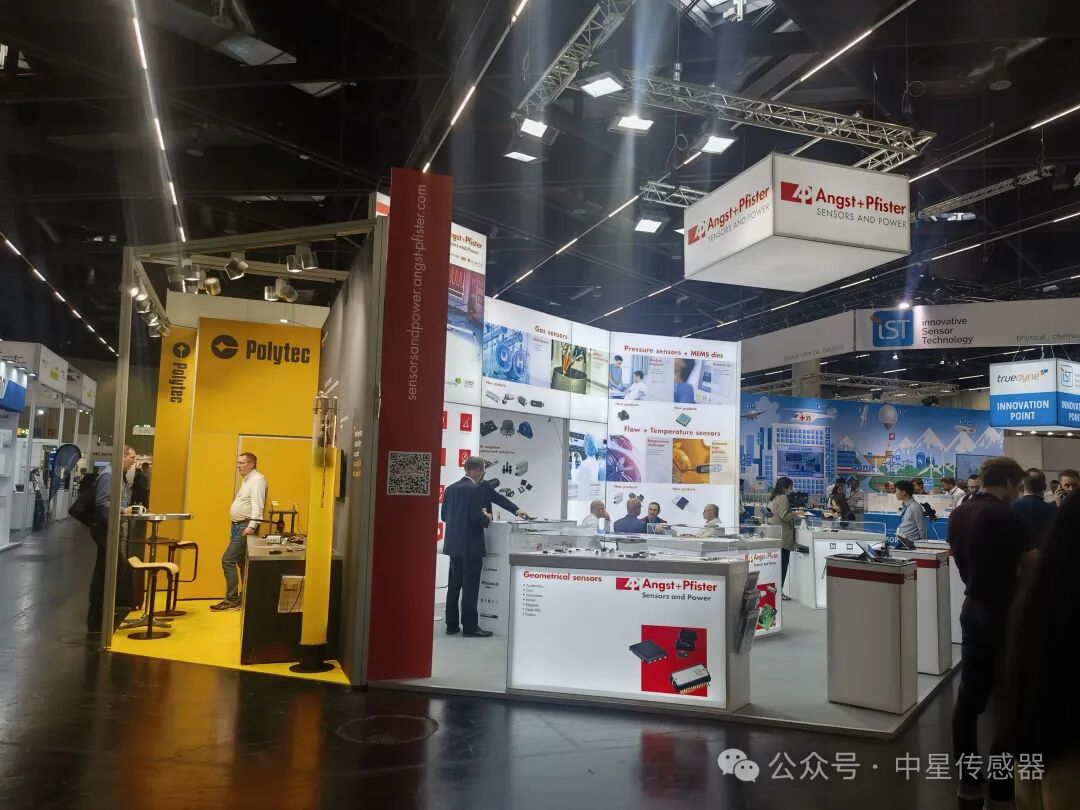
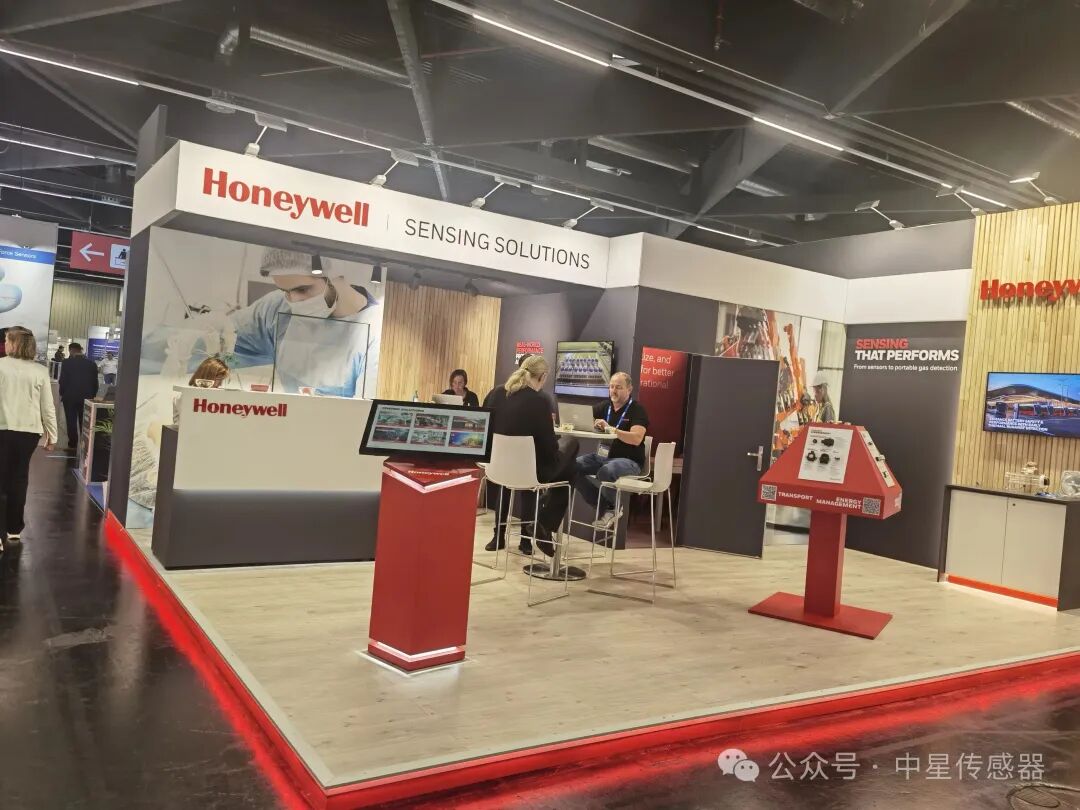
After walking around the venue, I noticed that many European companies are regular participants year after year. Most of these highly specialized sensor firms are hidden champions dominating niche markets. Their booths are not large, but exquisitely decorated, and they never miss the event. By contrast, some major international electronics and electrical groups with sensor divisions have reduced their presence this year. For instance, Germany’s Siemens, Japan’s Panasonic and Switzerland’s TE are absent this time, while Emerson from the US is also not in attendance. Only Honeywell has taken part.
The erratic weather has given me a cold and fever over the past two days. I am now staying in the hotel, wrapped in thick clothes, socks and quilts. I sit on a chair with an extra blanket covering my legs and feet. Fortunately, I feel much better today, so I take the time to write this article as a keepsake.
It is nearly half past nine in the evening. Though the sky is overcast, it is still bright outside.
#2026.06.11.21:25 NOVINA Hotel, Nuremberg#


