









The temperature in Chongqing is still quite high today, so the cotton-padded coats worn by travelers from northern China have clearly become a burden. This two-day business trip to Chongqing included a one-day meeting. This morning, I visited the renowned Sichuan Instrument Co., Ltd. of Sinomach Group — China’s largest instrument and meter company. In the afternoon, I called on Chongqing Staibao Technology Co., Ltd., which is not widely known but, in Brother Gu’s view, is of great national importance.One can see the whole picture from a single detail. These two Chongqing companies, one large and one small, have shown Brother Gu just how vital Chongqing is to China’s sensor, instrument and meter industry.
Yesterday, March 9, marked the leadership transition of the 8th Council of the China Instrument and Control Society. The association elected a new leadership team. Against the current international landscape, it is hoped that China’s instrument and control technology and industry will become less dependent on foreign technologies and products.
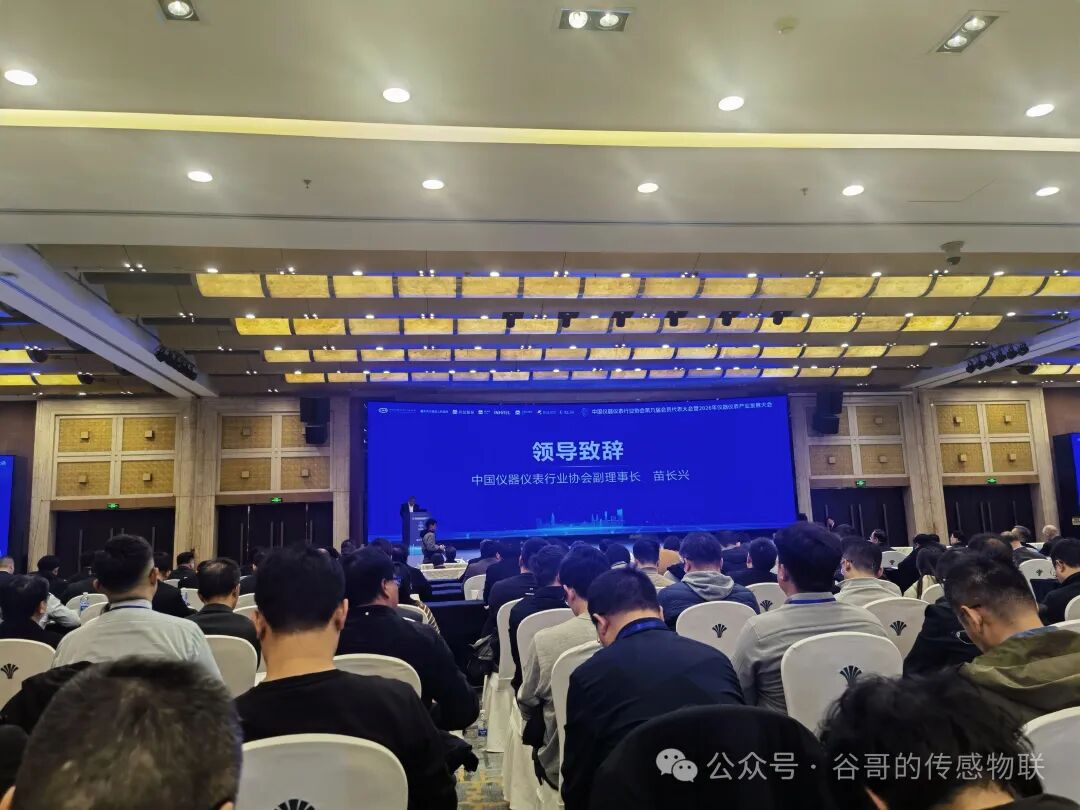
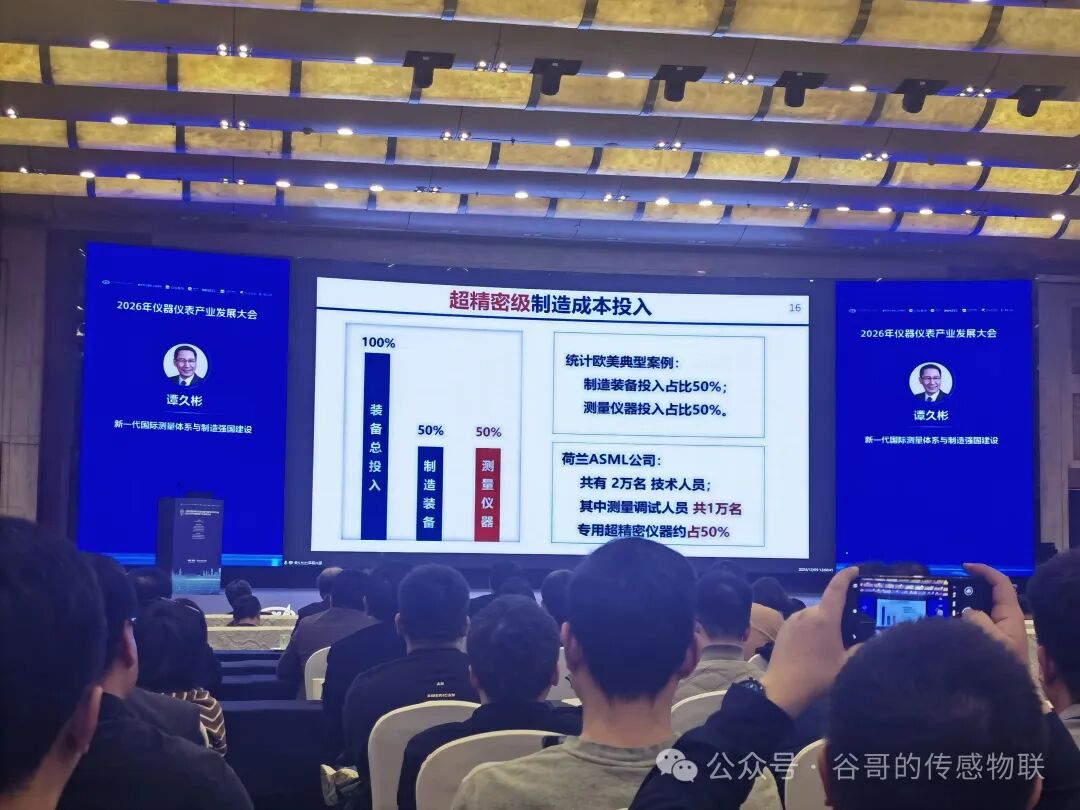
Without sensors, there are no measuring instruments. Without measurement, there is no precision manufacturing. Without precision manufacturing, there can be no intelligent manufacturing, let alone high-end manufacturing — including micron-level manufacturing, nano-manufacturing, and atomic manufacturing. After listening to Academician Tan’s speech, this realization struck Brother Gu.
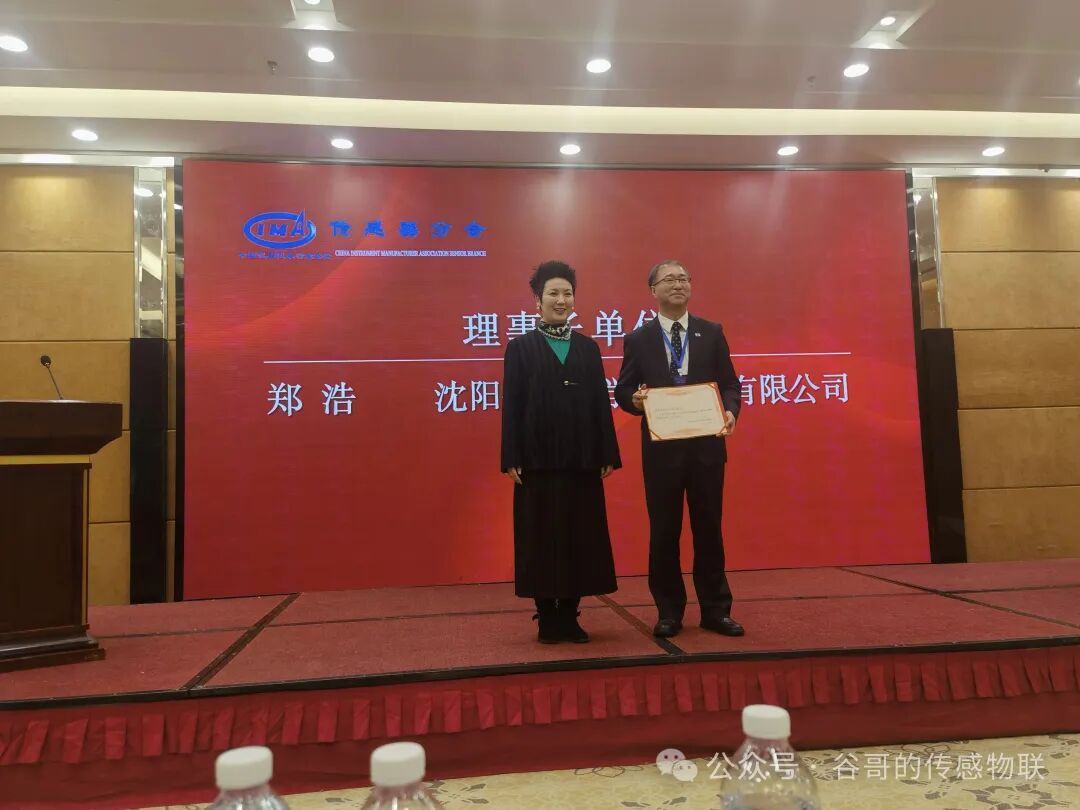
Following the re-election of the China Instrument and Control Society Council, the Sensor Branch, as a secondary association, also held its own election. The 8th Council of the Sensor Branch was duly formed through voting. The newly elected Chairman Zheng Hao and the succeeding Secretary-General Zhang Yang stated that they would lead the new council to serve its members wholeheartedly and contribute to the integrated, cross-border and leapfrog development of China’s sensor industry.
The traditional perception that associations are only composed of business people has now been broken. The 8th Sensor Branch will include several university professors from all regions of China. It aims to foster collaboration between industry and academia, integrate the R&D and industrial chains, and jointly tackle China’s “bottleneck” technologies.
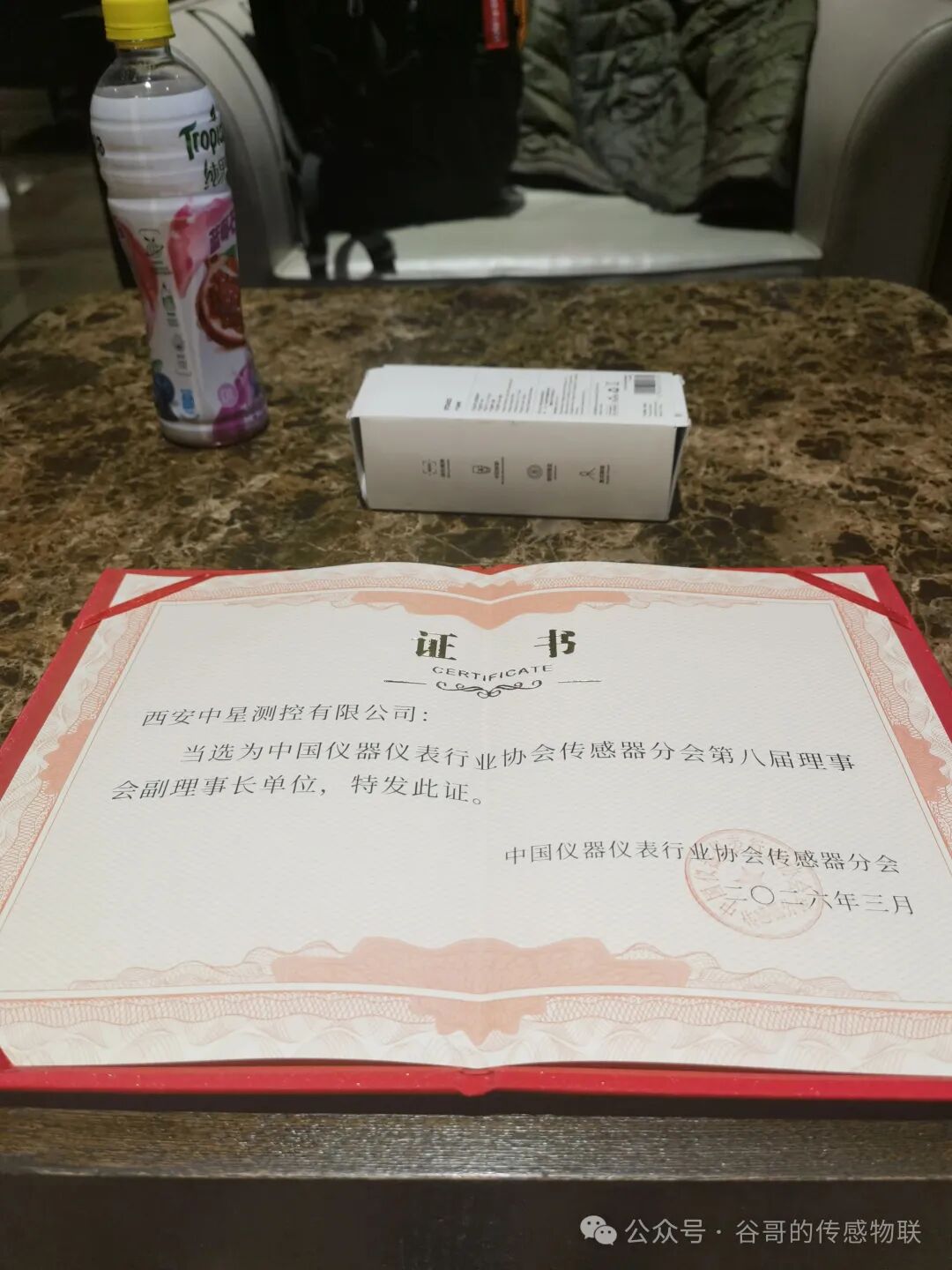
As a newly elected vice-chairman unit, Xi’an Chinastar M&C Co., Ltd. will also do its utmost to contribute to China’s sensor industry under the leadership of the association.
This morning, March 10, six buses carrying nearly 300 elites from China’s instrument and control industry went to visit and study at Sichuan Instrument Co., Ltd. of Sinomach Group. In accordance with national arrangements, Sichuan Instrument has been placed under Sinomach Instrument International Instrument Group, a subsidiary of Sinomach Group. As a key core enterprise, Sichuan Instrument is bound to take on more responsibility in the innovation and manufacturing of major national instrument and control technologies and equipment.
People in the industry may know that Sichuan Instrument was founded in the 1960s and, together with Xi’an Instrument and Shanghai Instrument at that time, ranked as one of the top three instrument companies in China — a true national team. However, times have changed. Shanghai Instrument and Xi’an Instrument are rarely mentioned today; their names remain, but their products and industries are in decline. Only Sichuan Instrument has achieved sustained growth through an IPO and become China’s top-ranked, most famous instrument and meter company. Its total sales revenue reached 7 billion yuan in 2025.
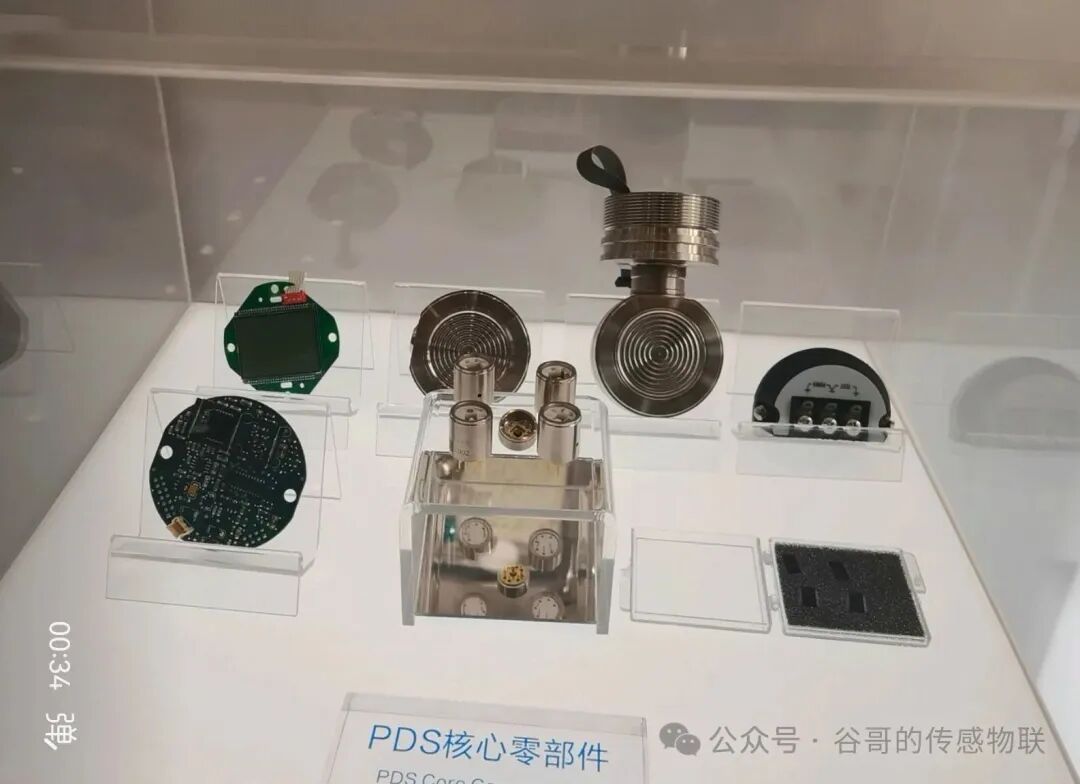
Due to confidentiality requirements, photos of the workshop were not allowed, but the exhibition hall fully demonstrated Sichuan Instrument’s development and progress. It is both a digital factory and a modern one, and is moving toward intelligent manufacturing.
When I saw the temperature compensation workshop for Sichuan Instrument’s intelligent pressure transmitters, there appeared to be many high-low temperature chambers, though the exact number was unclear. Brother Gu was suddenly reminded of a visit 10 years ago to the pressure sensor chip temperature compensation workshop at the German company E+H, located on the border of Germany and Switzerland. The German guide told Brother Gu that those 60 fully automatic high-precision ceramic-capacitive pressure sensor temperature compensation machines cost more than 6 million euros, which deeply impressed him at the time.
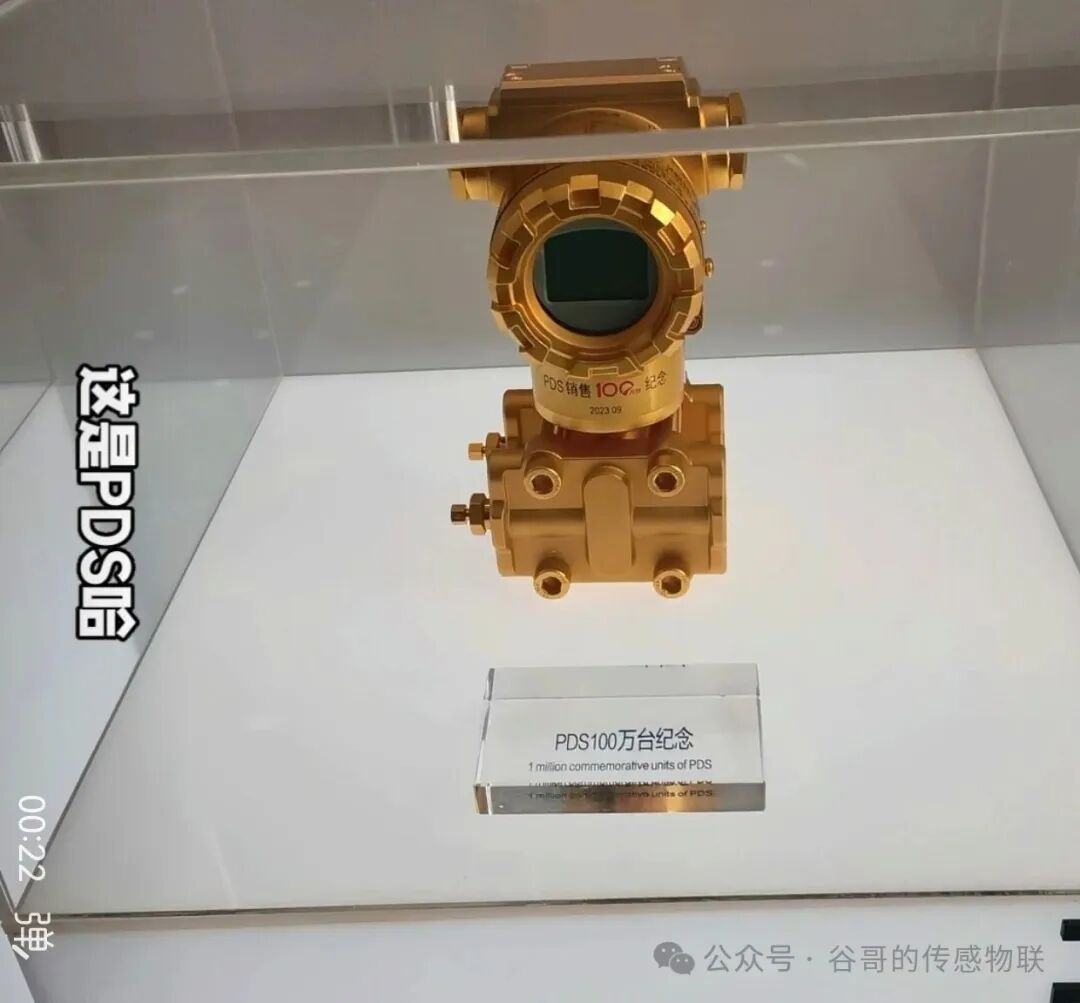
Due to the large number of visitors, questions were not convenient. I wonder whether the pressure chips for Sichuan Instrument’s own-brand PDS intelligent pressure transmitters are now domestically produced. During a Chongqing conference amid the pandemic, I heard that Silian Sensor Co., Ltd. had invested 300 million yuan to develop industrial MEMS pressure sensor chips. I wonder whether the product performance is now stable and whether mass production has begun. During the visit to Sichuan Instrument’s Factory 17, I also wondered: are the PT100 and PT1000 platinum resistance temperature sensor chips purchased from outside or produced in-house? Are they domestic or imported? This is not just curiosity, but also concern — perhaps just Brother Gu’s “unnecessary worrying”.
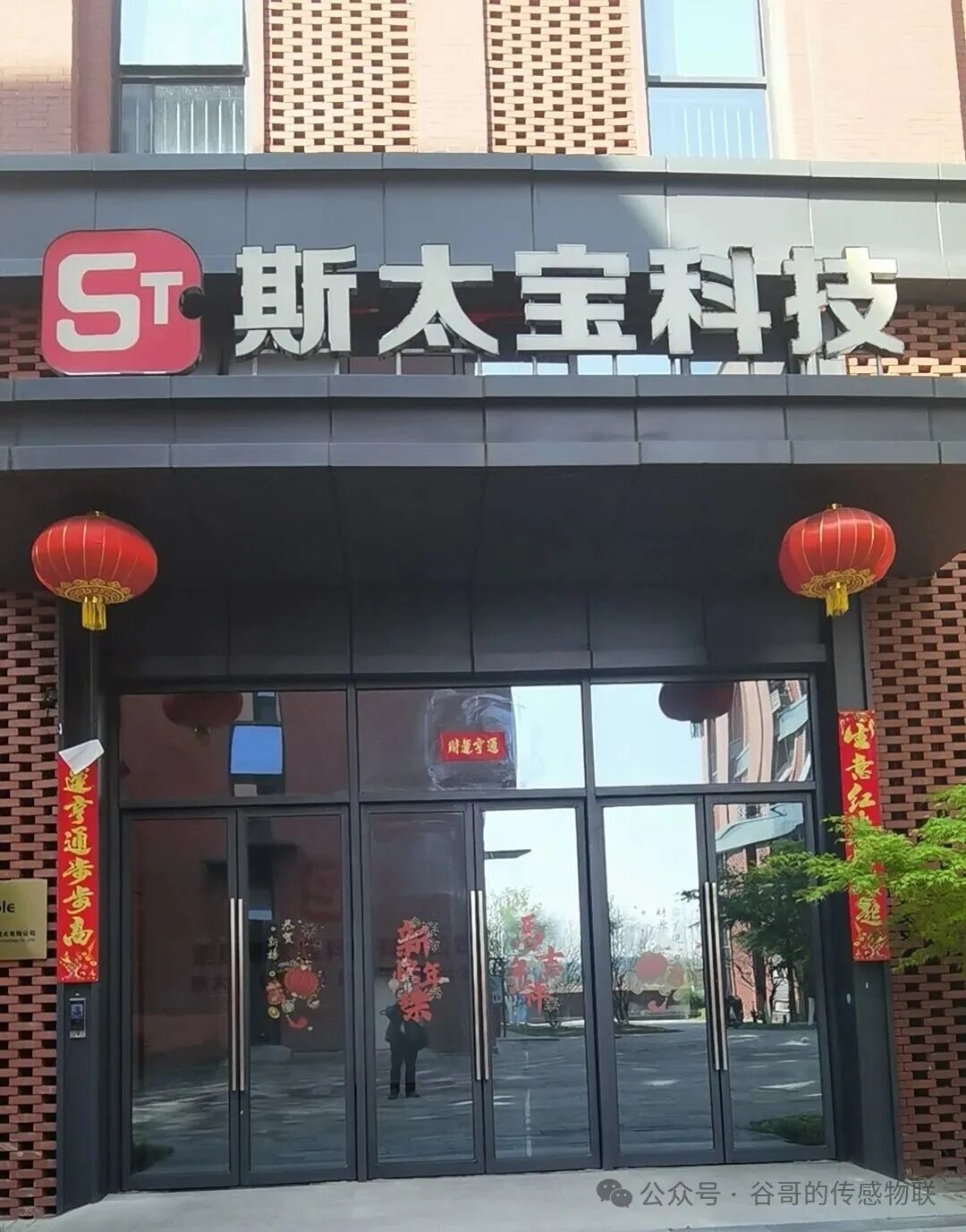
In the afternoon, I visited a small company that most people may not know about: Chongqing Staibao Technology Co., Ltd. Its founder, Hu Yi, a tech professional with over 10 years of materials research, has successfully developed core temperature sensor elements including PT100, PT1000, PT500, and even PT200 that can withstand temperatures up to 900°C. Backed by bold investment from Ren Hongjun, Chairman of Henan Hanwei Technology Group, Staibao has achieved full domestic production and mass manufacturing of PT100 and PT1000 chips, with sales reaching 10 million units last year.These thin-film resistance temperature chips should not be underestimated; for a long time, the global market was dominated by German manufacturers.
I just returned from Germany last week and am on a business trip in Chongqing these days. From Brother Gu’s perspective, who knows the sensor industry well, Germany is still quite advanced in many technologies, and we still have a considerable gap to catch up. However, our progress has been rapid and remarkable — something even the Germans acknowledge.
If Germany does not change its work system and pace (in addition to a 40-hour workweek, nearly one month of annual leave, plus about two weeks of sick leave and almost no overtime), China’s sensor industry will catch up with Germany within 10 to 15 years, and even surpass them in some fields.